Perhaps it’s my personal ideology, quite possibly it’s my line of work or the interference of algorithms that inform my news feed, but I’d like to think that society at large is talking more about land use, nature restoration and whether our current economic model is sustainable.
Even still, depending on the present company, I can be reluctant to declare to friends and family that substantial evidence now underscores the need for moving rapidly towards economic systems that prioritise ecological health and the well-being of both humans and nature, i.e. moving away from traditional growth metrics.
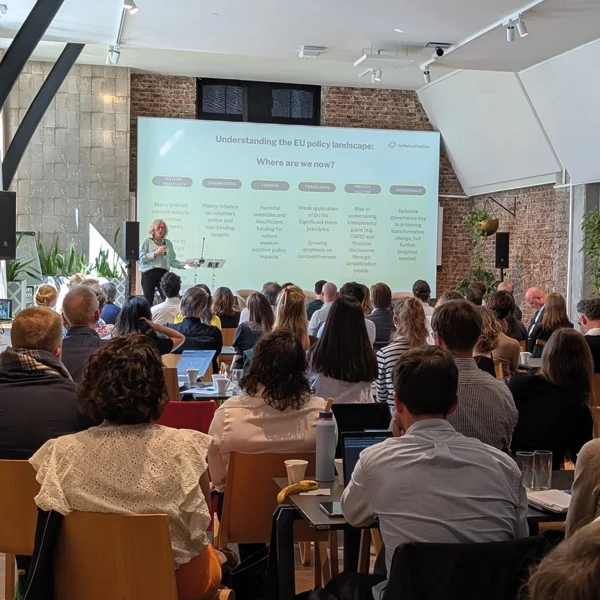
In March of this year I was privileged to join a project called GoNaturePositive! This is a collaborative initiative backed by the European Commission dedicated to accelerating awareness and transformative action towards a nature-positive economy. Partners from across Europe are initially working to define the concept of a nature-positive economy and with that framework in place, the challenge will be to provide a blueprint for market transitions to a nature-positive economy.
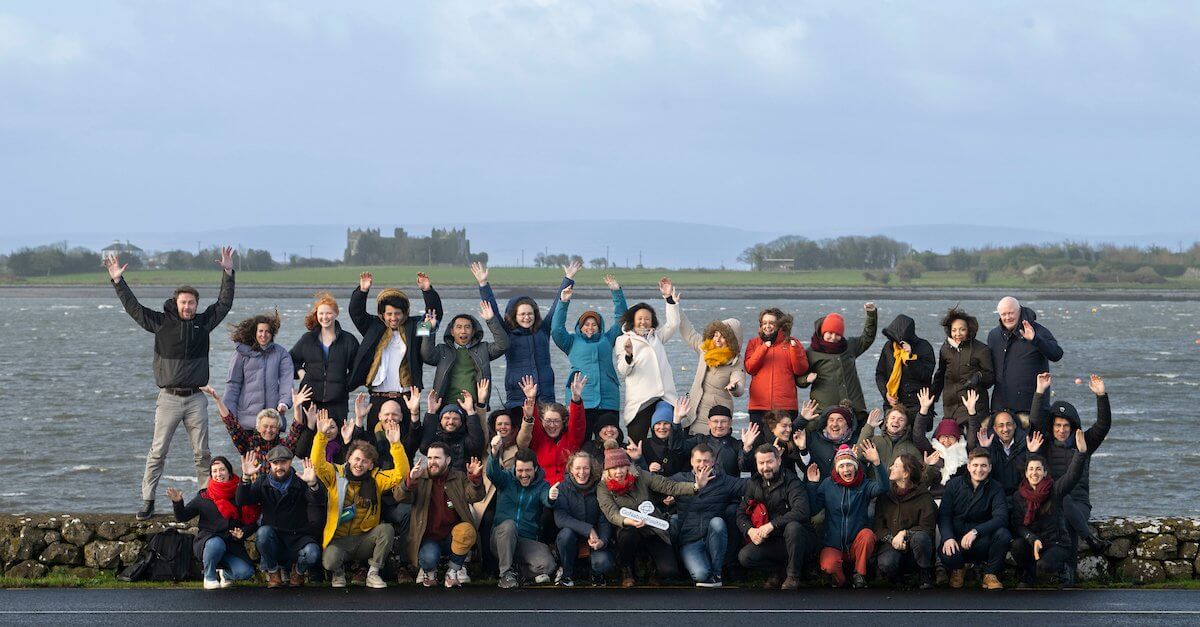
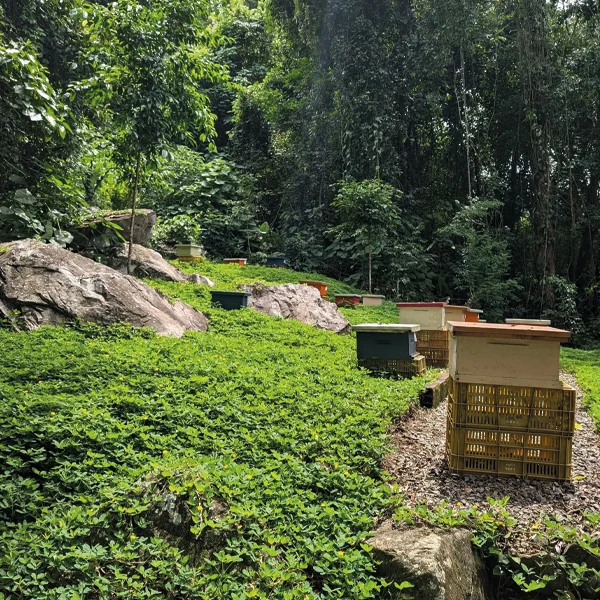
To bring this and work to life there will be 6 pilot projects from different economic sectors that serve to showcase real-world challenges and opportunities to demonstrate the measurable contributions of project interventions. These projects range from regenerative ocean farming and marine businesses in Ireland, to beekeeping (apiculture) in Colombia, agro-ecological farming in Belgium, carbon-neutral forestry and nature-positive tourism in Italy, and green building enterprises throughout Europe.
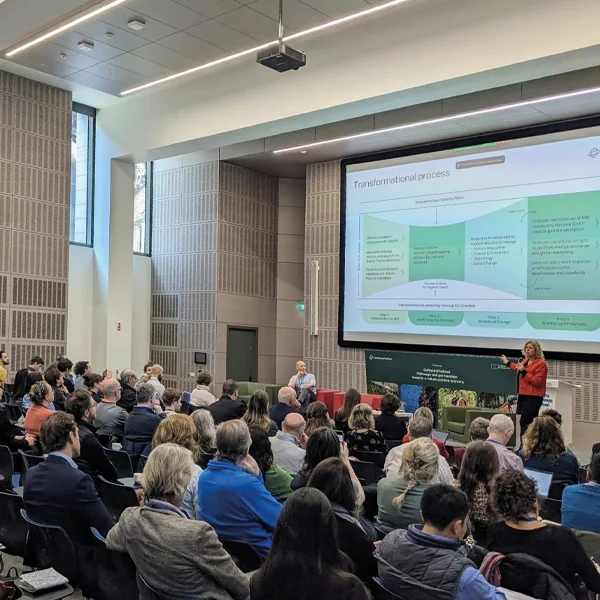
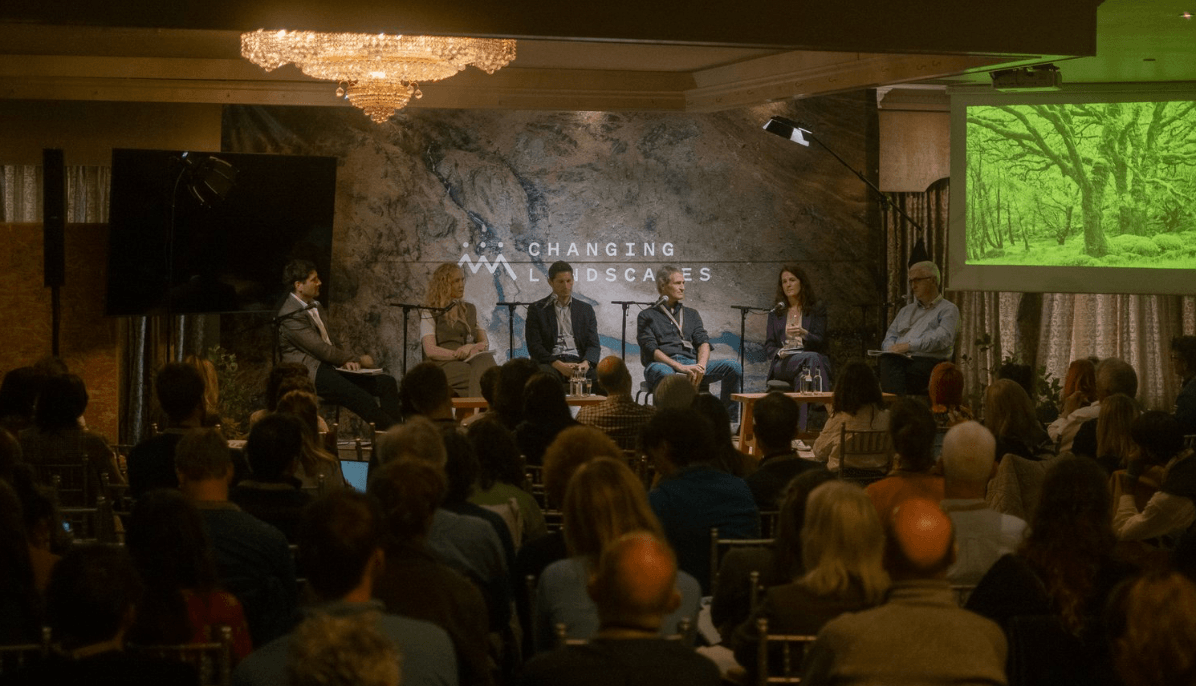
Again, this is hardly a school gate debate or a conversation for the local pub on a Friday after work so at the end of May, seeking an opportunity to fully immerse myself in the world of nature-positive action, I took myself down to Ennistymon in the West of Ireland where Hometree were hosting their inaugural Changing Landscapes conference. The event brought together landworkers from across farming and forestry with policymakers, environmentalists and commercial interests and explored innovative approaches to nature restoration, challenging traditional methods and providing some examples of financing mechanisms, impactful projects and new economic models in farming.
According to The Intergovernmental Science-Policy Platform on Biodiversity and Ecosystem Services (IPBES), land use is a primary driver of our impact on nature and biodiversity and as such, this event seemed like a good place to get some feedback on the concept of a nature-positive economy and our efforts in GoNaturePositive!
Insights from the conference
The first panel at the conference explored current landscape challenges and opportunities. Ecologist Pádraic Fogarty emphasised the need for democratic processes in governing Ireland’s land and food strategy to align with planetary boundaries.
He pointed out the significant changes needed in land use, such as increasing forest cover, decreasing livestock, and re-wetting bogs to achieve net zero emissions by 2050. Catherine Farrell of Trinity College Dublin added that political leadership is crucial to translating these ideas and Ireland’s Land Use Review into disruptive action.
From IPSOS, Niall McCaffrey shared polling data showing a decline in public climate awareness but also highlighted the potential of alternative proteins to revolutionise food systems and free up land. Orlaith Delargy (previously KPMG Nature & Biodiversity Lead) warned about the increasing competition for land due to biodiversity offsetting by businesses facing new environmental reporting standards.
Practical Perspectives
The second panel brought in voices from the ground, navigating tensions between stakeholders. Barry O’Donoghue of the National Parks & Wildlife Service (NPWS) discussed how different perspectives can view the same landscape as either a beautiful wilderness or a degraded area. Olive Leavy of Irish Forest Owners stressed the importance of building a forest culture and economy that supports employment and skills development across the country. She emphasised the need for forest owners to make long-term decisions, ensuring the right trees are planted in the right places.
Pat O’Toole from the Irish Farmers Journal called for an overarching national land use plan to resolve competing demands across sectors like agriculture, forestry, and housing. He warned that without clarity, “we are lying to ourselves.” Farmer Fergal Anderson of Talamh Beo (member led Irish embodiment of La Via Campesina) advocated for nurturing a domestic, sustainable food production culture resilient to global market volatility.
Financing Change
The financing panel explored new models for mobilising capital to support nature regeneration. Tom Popple of BE Impactful framed the $800 billion annual global biodiversity financing gap as a collective responsibility. Pat Leahy of the Department of Finance outlined Ireland’s €3.15 billion Nature Fund, aimed at deploying €2 billion annually from 2026. Cain Blythe of Ecosulis introduced “nature credits,” which monetize ecosystem services like flood mitigation desired by companies such as data centres.
Transformative Projects
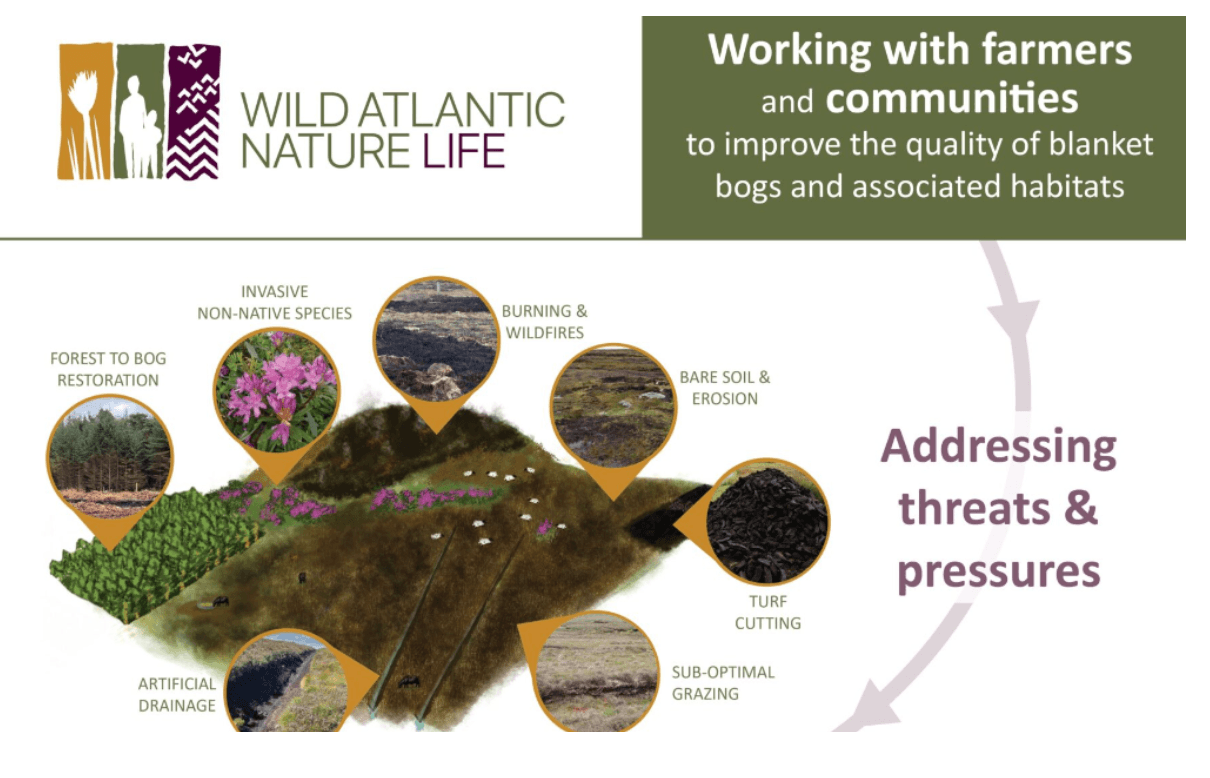
The conference showcased transformative landscape projects, like Margaret Flaherty’s Wild Atlantic Nature LIFE project, collaborating with farmers to conserve peatlands. Martha Farrell highlighted the Maharees Conservation Group‘s success in promoting dune restoration & regenerative tourism. These projects demonstrate the potential for nature-based enterprises to drive economic and ecological benefits, aligning with the goals of GoNaturePositive!
Key Takeaways
Several key messages from the conference resonate with the GoNaturePositive! project:
Long-Term Land-Use Strategy: Legislative and policy certainty is crucial for incentivising sustainable land stewardship.
Diverse Land Uses: Balancing high-yield farming with agro-ecological methods and setting aside space for nature is necessary for food security and environmental sustainability.
Community Engagement: True transformation requires democratic participation from all stakeholders, including local communities.
Innovative Financial Instruments: New financing mechanisms like biodiversity and carbon credits need standardised frameworks and alignment with stakeholder values.
Cross-Sector Collaboration: Partnerships across sectors are essential for driving the mindset and behaviour changes needed for a regenerative future.
Conclusion
The Changing Landscapes conference underscored the complexities and opportunities in transforming Ireland’s landscapes towards balanced regenerative practices that are inclusive, and sustainable and consider the context of planetary boundaries. For the GoNaturePositive! project, the event provided valuable insights and connections to help us raise awareness and accelerate the transition to a nature-positive economy. By fostering dialogue, promoting innovative financial models, and showcasing successful case studies, we are well-positioned to contribute to a paradigm shift in economic thinking and practice.
For more information about our project and to get involved, visit GoNaturePositive!