Agri-food
Feeding the Transition: Agroecology as a Blueprint for a Nature-Positive Food System
THE CHALLENGE
The global food system is the single largest driver of biodiversity loss. Fuelled by a “cheaper food paradigm”that has pushed agriculture towards intensification, current farming systems threaten species at every scale.
Agroecology offers a credible alternative, but for decades the transition has remained contested: farmers fear for their incomes, environmentalists fear nature continues to decline, and policymakers struggle to move beyond industrial logic.
86% of species currently at risk of extinction are threatened by current farming systems
WHO IS LEADING THIS WORK?
The pilot is led by Voedsel Anders, a Belgian network organisation working to support the transition to sustainable agriculture and food. Rather than operating as a single advocacy body, Voedsel Anders functions as a connector, bringing together environmental NGOs, global south organisations, farmer networks, and organic food enterprises to build synergies, align strategies, and amplify collective impact.
Their approach is rooted in the conviction that the transition to agroecology is not just a technical challenge. It is a social and political one. It requires building trust between farmers, consumers, and communities whilst simultaneously challenging the structural conditions that keep destructive practices in place.
WHAT IS HAPPENING IN THE GROUND?

Movement building:
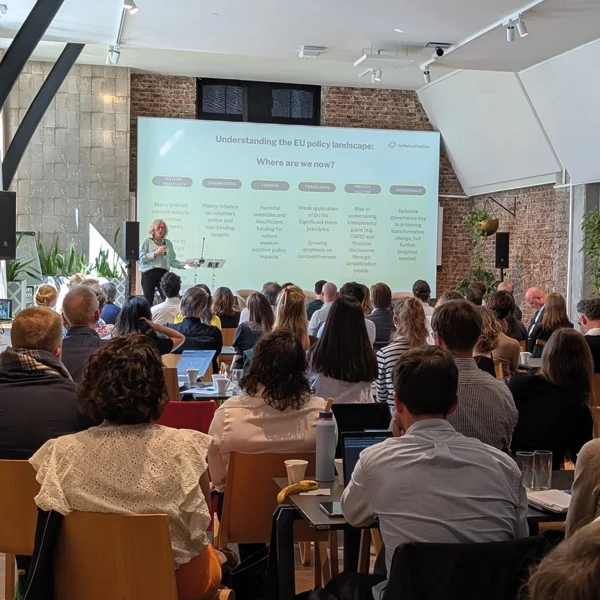
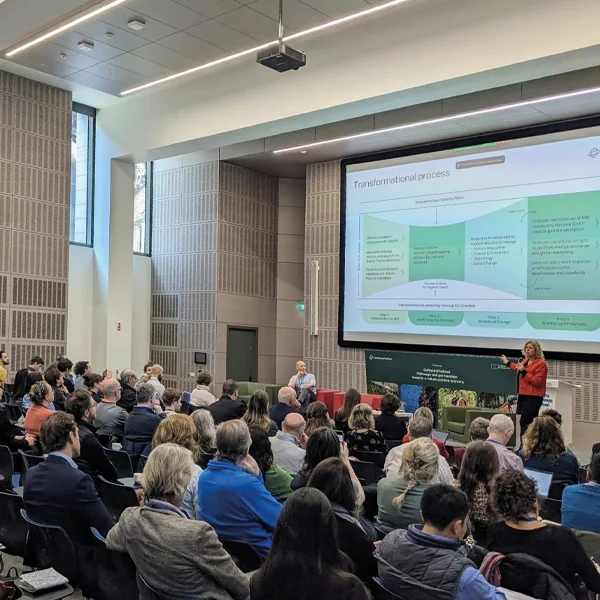
Forums, think tanks, network events and workshops connecting partners across food, agriculture, health and social justice.

Policy engagement:
Active participation in policy discussions, opinion pieces, and stakeholder engagement across the food system.

Public education:
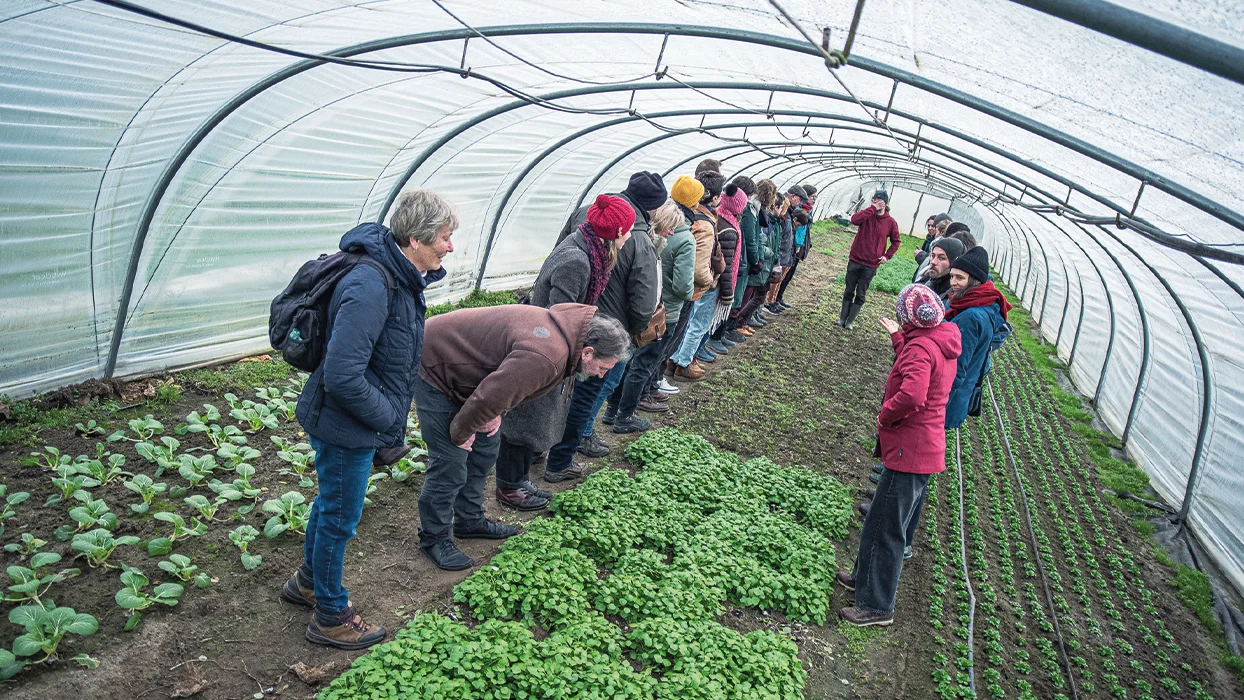
A full-day agroecology festival, a food film festival, and farmer learning networks shifting the cultural narrative.
WHAT IS ALREADY CHANGING?
Year on year, Voedsel Anders is reaching more people: citizens curious about local, sustainable, and healthy food, as well as those interested in the deeper questions of food justice and system transformation.
Within the policy arena, agroecology and organic farming are gradually gaining recognition as not just viable but genuinely inspiring models for the future of the food system. Network partners are achieving tangible results: pushing for supportive policies, defending farmers’ rights, educating the next generation of agroecological practitioners, and building citizen-farmer relationships that strengthen local food economies.
“The transition to agroecology isn’t just technical. It’s fundamentally social and political. Success comes from building trust between farmers, consumers, and communities whilst challenging the structures that keep destructive practices in place.”
WHAT NEEDS TO CHANGE FOR THIS TO SCALE?
Policy that goes beyond the status quo
Broader public engagement
KEY LESSONS
- In an era of polarisation, networks and synergies are the strategic asset. Organisations that build bridges rather than silos are disproportionately powerful.
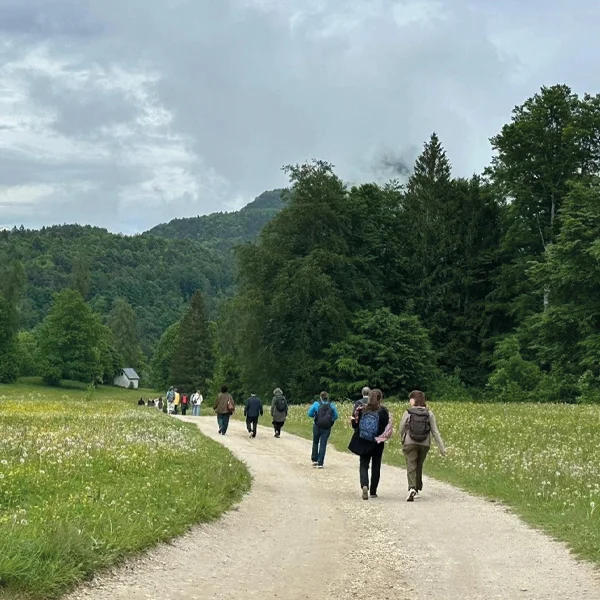
- Making alternatives tangible changes the debate. Festivals, field visits, storytelling, and direct community engagement move people in ways that reports and position papers cannot.
- Holistic framing is essential. Agroecology must be communicated as offering simultaneous solutions to food security, farmer welfare, community health, biodiversity, and climate.
EXPECTED OUTCOMES
01
Increased awareness of the nature-positive impact of agroecological enterprises, and integration of partners in Southeast Asia, Africa, and South America into shared roadmaps.
02
03