GoNaturePositive!: Welcome, Imelda. Could you start by telling us about the Western Development Commission’s role in Ireland’s regional development and how it connects to marine and coastal activities?
Imelda McCarron: Thank you for having me. The Western Development Commission has been driving growth in Ireland’s Western Region for decades, with an investment portfolio of €92.3 million supporting over 66,000 jobs and generating €4.8 billion in economy-wide impact. Our work spans supporting businesses, community organisations, social enterprises, and creative industries across the region. What’s particularly relevant here is that our coastal location means the blue economy – marine and coastal activities – is integral to the region’s economic fabric and future potential.
GoNaturePositive!: That’s an impressive impact. Now, what does a nature-positive economy mean for your sector, and what is one concrete step your organisation is taking (or recommends) to support it?
Imelda McCarron: A nature-positive economy in the blue economy context means ensuring that marine and coastal activities not only minimise environmental harm but actively contribute to the restoration and resilience of ecosystems. For us, as a development organisation, it’s about supporting the conditions that allow that kind of economy to emerge in the West of Ireland — especially by backing the expertise and innovation already present in local communities, SMEs, and research bodies.
Through our role in the GoNature Positive project, we are helping to pilot a collaborative approach that brings blue economy actors together with nature-focused tools, funding pathways, and shared learning opportunities. One concrete step we will be taking as part of GNP is to facilitate dialogue and co-design sessions with SMEs, community groups, and state agencies to explore what nature-positive approaches could look like in practice — led by those on the ground.
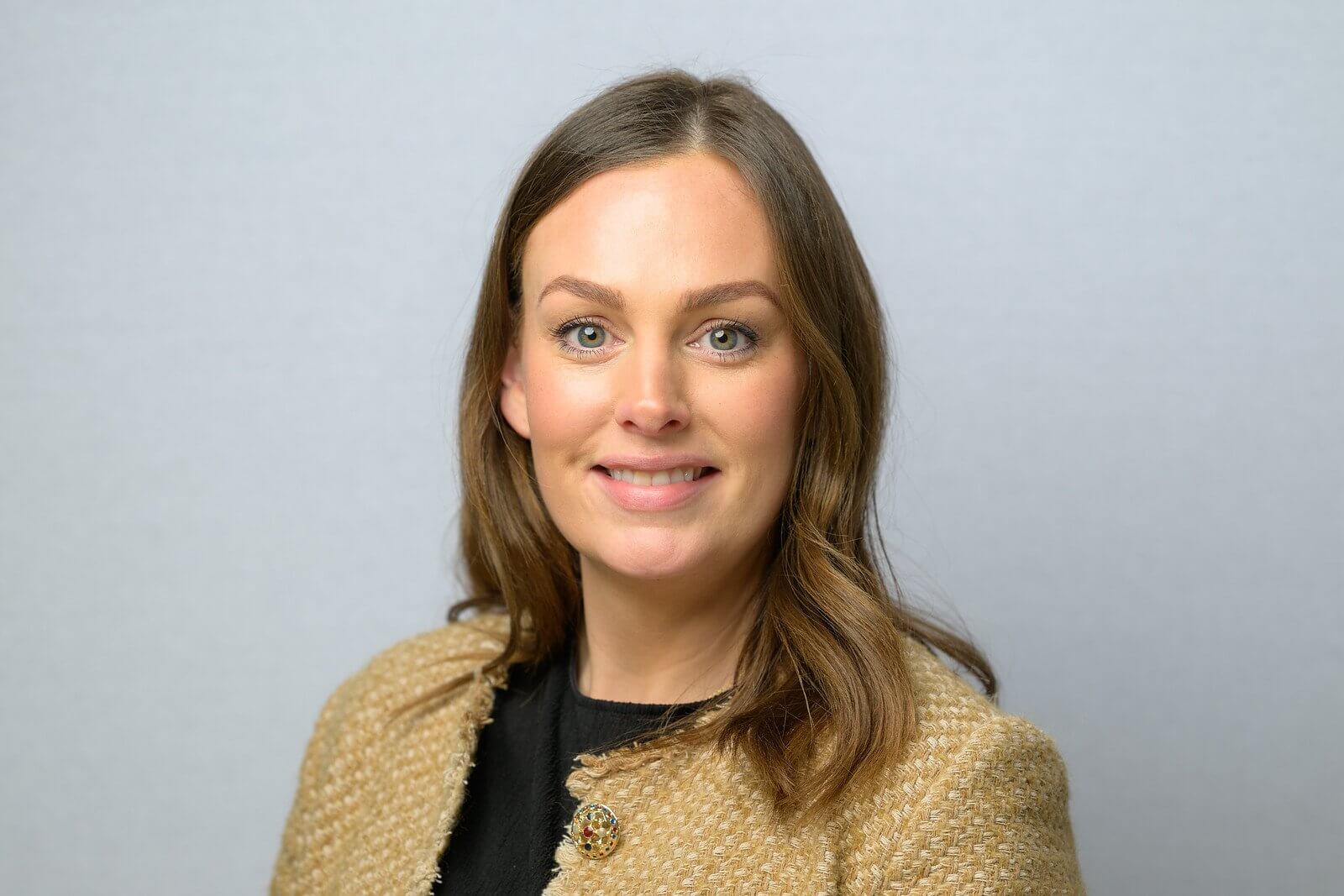
GoNaturePositive!: That community-led approach is fascinating. It sounds like you’re bridging the gap between policy frameworks and local implementation. How do current policies support or hinder your sector’s efforts toward nature-positivity?
Imelda McCarron: Current policies, including Ireland’s Marine Spatial Planning Framework and the EU Biodiversity Strategy, set a positive direction — particularly in recognising the value of ecosystem-based management. However, at the implementation level, many smaller actors in the blue economy tell us they face uncertainty about regulatory pathways, overlapping agency roles, and difficulty accessing targeted supports for nature-positive innovation.
From our perspective, the challenge is less about gaps in policy and more about connecting the dots: creating space for coordination, accessible funding mechanisms, and clearer communication between state bodies and coastal enterprises. We see a real opportunity through GoNature Positive to gather local insights and feed them back into policy discussions — helping ensure that frameworks are workable and effective at the community level.
GoNaturePositive!: You mentioned the importance of local expertise and innovation. How does the Western Development Commission identify and support these capabilities in coastal communities?
Imelda McCarron: Our approach has always been about recognising that communities themselves often have the best understanding of their local challenges and opportunities. Through our investment fund and policy analysis work, we’ve seen time and again that sustainable solutions emerge when you combine local knowledge with appropriate support and resources.
In the blue economy context, this might mean supporting a community group developing sustainable aquaculture practices, or helping an SME scale up innovative seaweed farming that benefits both the economy and marine ecosystems. Our role is to provide the funding, connections, and policy advocacy that allows these locally-driven innovations to flourish.
GoNaturePositive!: Looking at the bigger picture, how do you see initiatives like GoNaturePositive! contributing to regional development goals?
Imelda McCarron: GoNaturePositive! provides exactly the kind of collaborative platform that regional development needs. By bringing together different actors – from policymakers to businesses to communities – around shared nature-positive goals, it creates opportunities for the kind of systemic thinking that effective regional development requires.
For the Western Region, participating in GoNaturePositive! allows us to learn from other regions facing similar challenges, access new funding mechanisms, and contribute our own experiences to the broader European conversation about nature-positive economies. It’s this kind of knowledge sharing and collaboration that can accelerate the transition we need to see.
“Through our role in the GoNature Positive project, we are helping to pilot a collaborative approach that brings blue economy actors together with nature-focused tools, funding pathways, and shared learning opportunities. One concrete step we will be taking as part of GNP is to facilitate dialogue and co-design sessions with SMEs, community groups, and state agencies to explore what nature-positive approaches could look like in practice — led by those on the ground.”
— Imelda McCarron
GoNaturePositive!: Finally, what advice would you give to other regional development organisations looking to integrate nature-positive approaches into their work?
Imelda McCarron: Start with listening. The communities and businesses you work with often already understand the connections between economic success and environmental health – they just need the right support to act on that understanding. Policy frameworks and funding mechanisms are important, but they’re most effective when they’re designed around what actually works on the ground.
Also, don’t underestimate the power of bringing people together. Some of our most successful initiatives have emerged from simple conversations between different actors who discovered shared interests and complementary capabilities. Creating those spaces for dialogue and co-design is often the first step toward systemic change.
GoNaturePositive!: Thank you, Imelda, for sharing these insights. It’s clear that effective regional development requires both local knowledge and collaborative approaches to create lasting change.
Imelda McCarron: Thank you. We’re excited to continue this work through GoNaturePositive! and to see how these approaches can contribute to a more sustainable and equitable future for coastal communities across Europe.
This interview was conducted as part of GoNaturePositive!’s ongoing series exploring pathways toward a nature-positive economy. For more insights on marine and coastal sustainability approaches, view the blue economy sectoral brief. Learn more about the Western Development Commission at westerndevelopment.ie and GoNaturePositive! at gonaturepositive.eu