 What does the transition to a Nature-Positive Economy (NPE) mean in practice for a city or region? And how can local and regional governments turn this ambition into concrete action?
GoNaturePositive! is a Horizon Europe project working to accelerate the transition towards an NPE, an economy in which economic activities contribute to halting and reversing nature loss. The project brings together research, business, policy and practice to better understand what this transition requires and to develop approaches that can support its implementation across different sectors and scales.
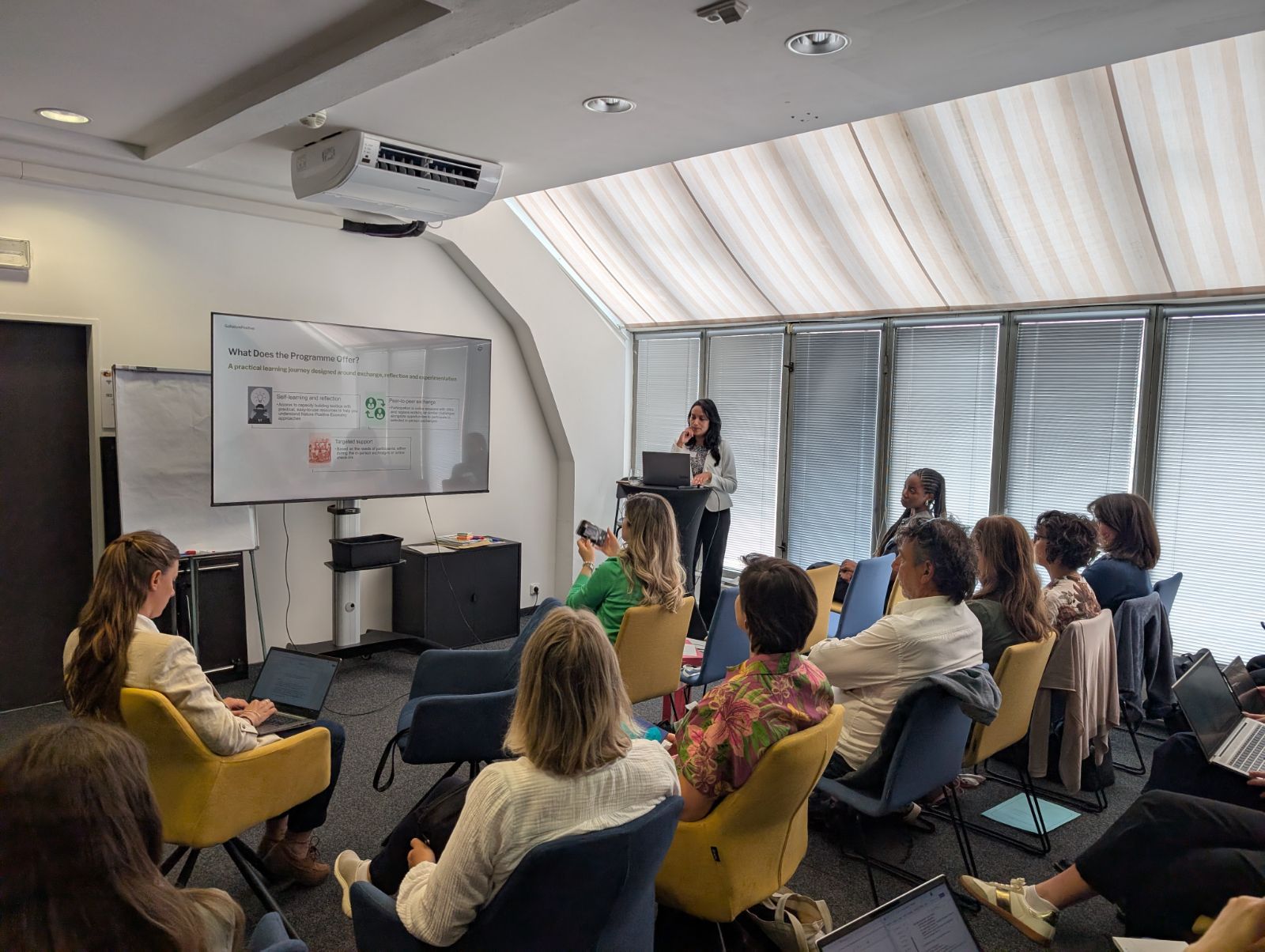
As part of this work, the GoNaturePositive! Cities and Regions Programme, coordinated by ICLEI Europe, brings local and regional governments together to explore what the NPE means at the subnational level and how it can be translated into practice.
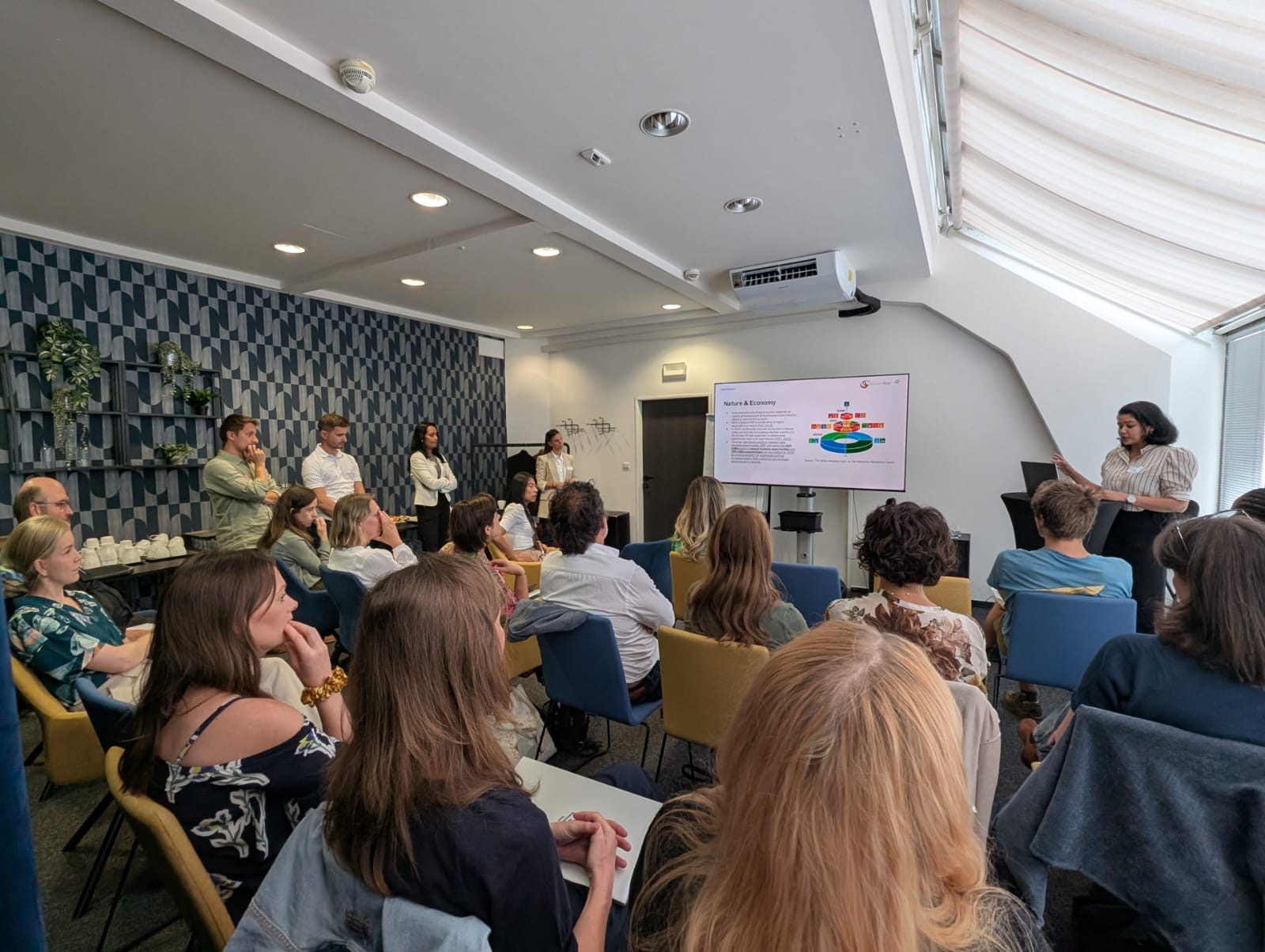
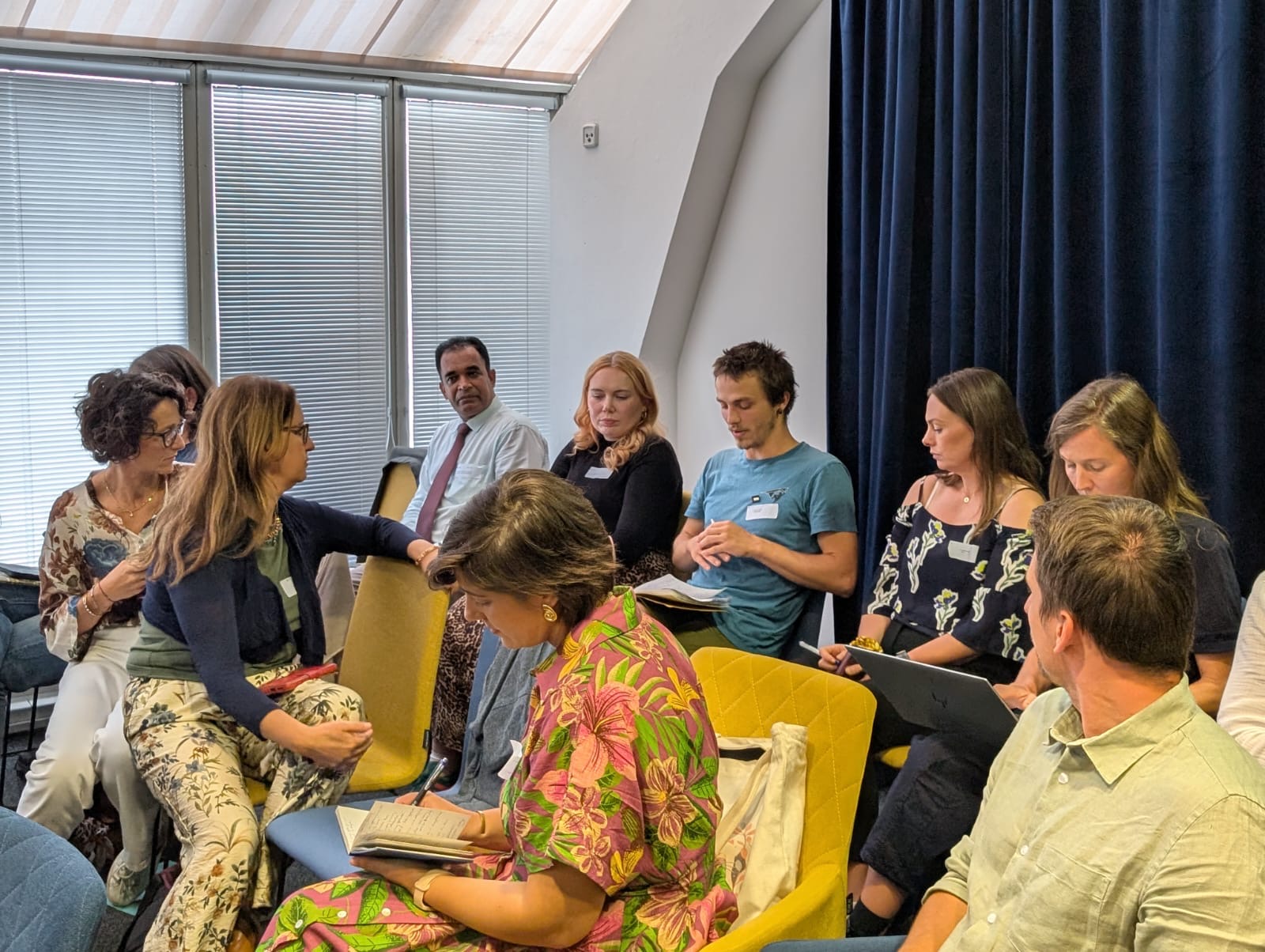
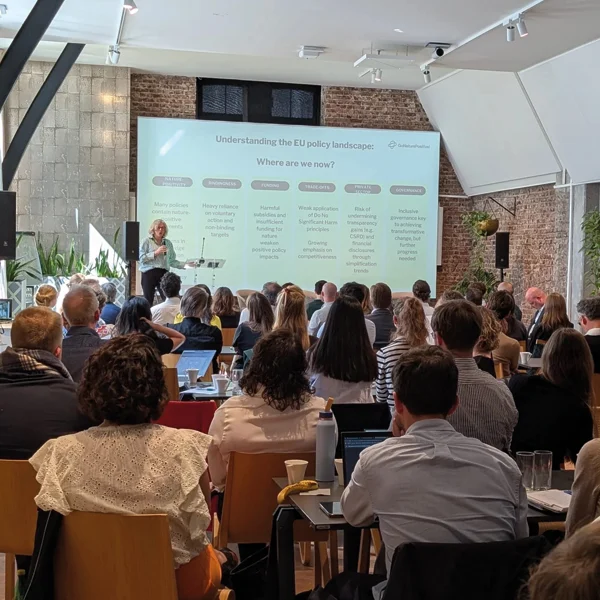
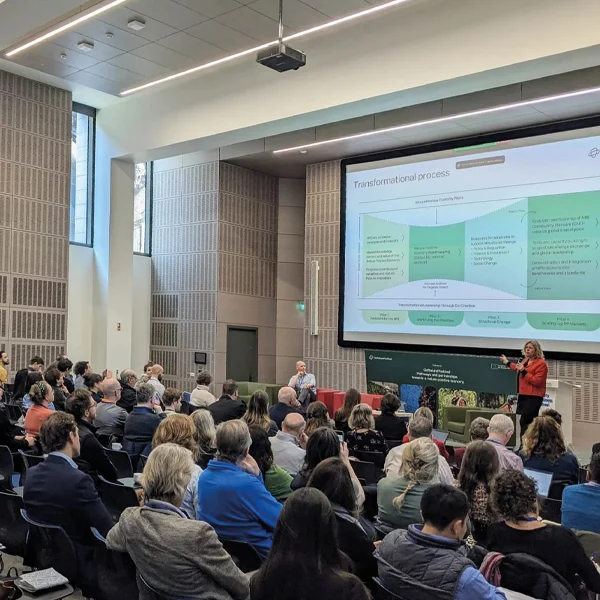
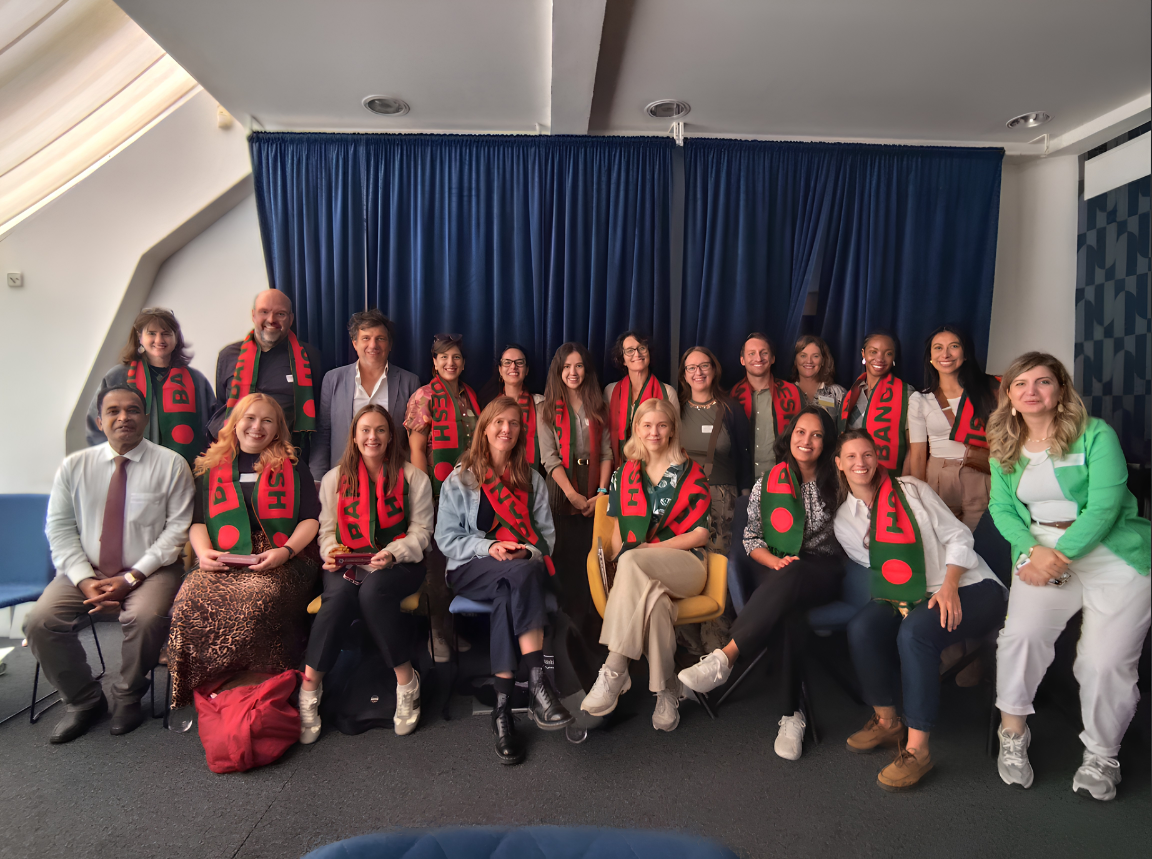
On 9 September 2026, representatives from ten cities and regions in the programme’s Spotlight Cohort came together in Prague for the first in-person exchange of the programme. The session created a space for participants to meet, learn from one another and explore how the Nature-Positive Economy can be translated into the everyday decisions, policies and processes of local and regional governments.
The exchange brought together representatives from Berlin, Brussels, Empoli, Greater Manchester, Habiganj, Helsinki, KLAR! Südliches Weinviertel, Sivas, Southern Regional Assembly and Sóskút, bringing perspectives from different geographical and institutional contexts across Europe and beyond.
The community was joined by representatives from the wider GoNaturePositive! project and related initiatives, including Claire Kwiatkowski, Project Officer for GoNaturePositive! from the European Commission, as well as representatives from the project’s pilots, who shared insights from their work on the ground.
Exploring what a Nature-Positive Economy means locally
The day started by building a shared understanding of the Nature-Positive Economy and discussing why cities and regions have an important role to play in this transition.
Local and regional governments influence many of the systems that shape the relationship between economies and nature, from spatial planning and infrastructure to public services, investment and procurement. At the same time, each city and region works within its own governance structures, capacities, priorities and local challenges.
The exchange therefore focused not only on what a Nature-Positive Economy could look like, but also on what it would take to make this transition possible within the realities of local and regional government.
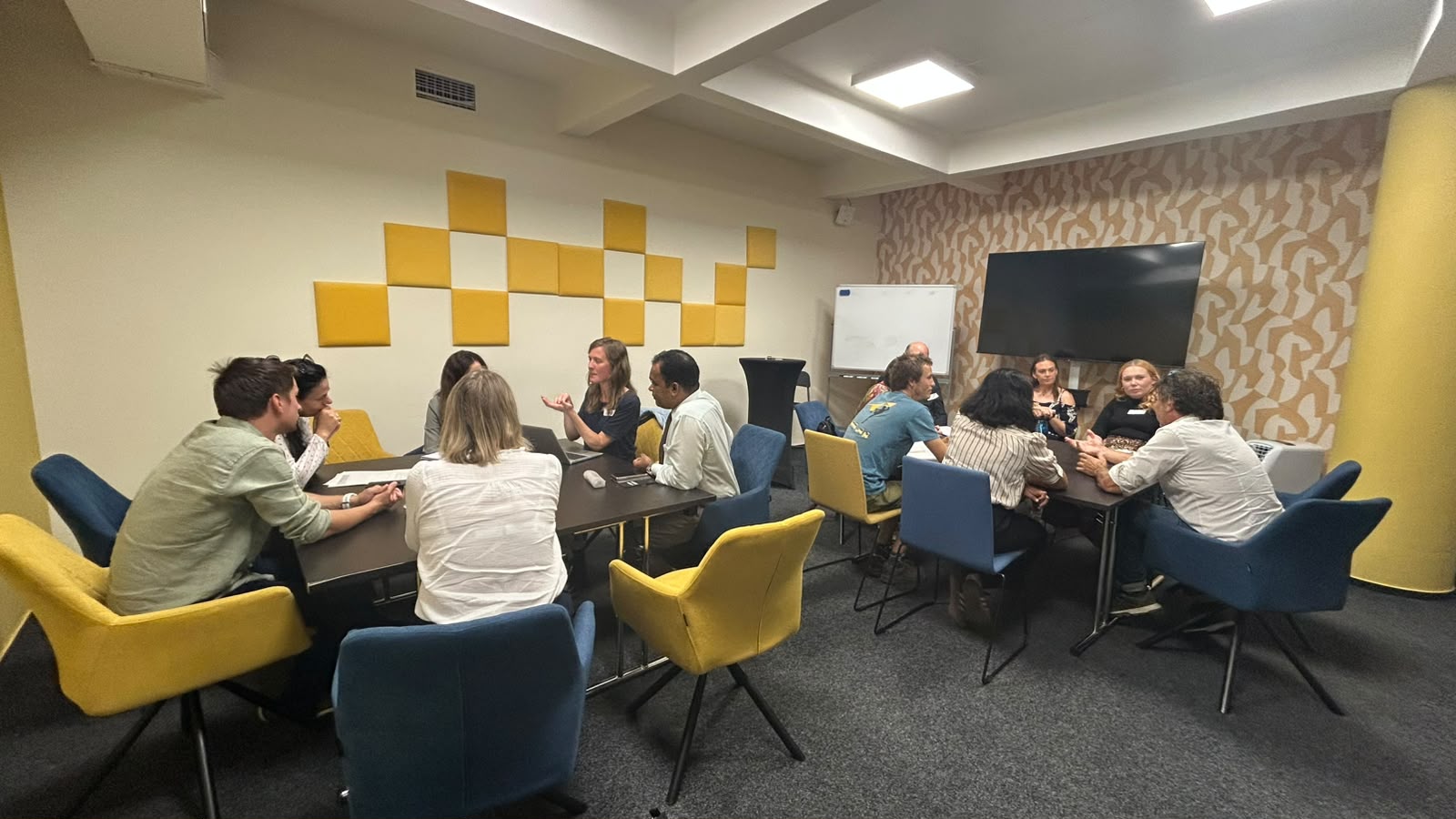
Rather than being a day of presentations, the session was designed around interaction and peer learning, giving participants opportunities to share their own experiences, challenges and questions with others facing similar issues.
Public procurement as a lever for change
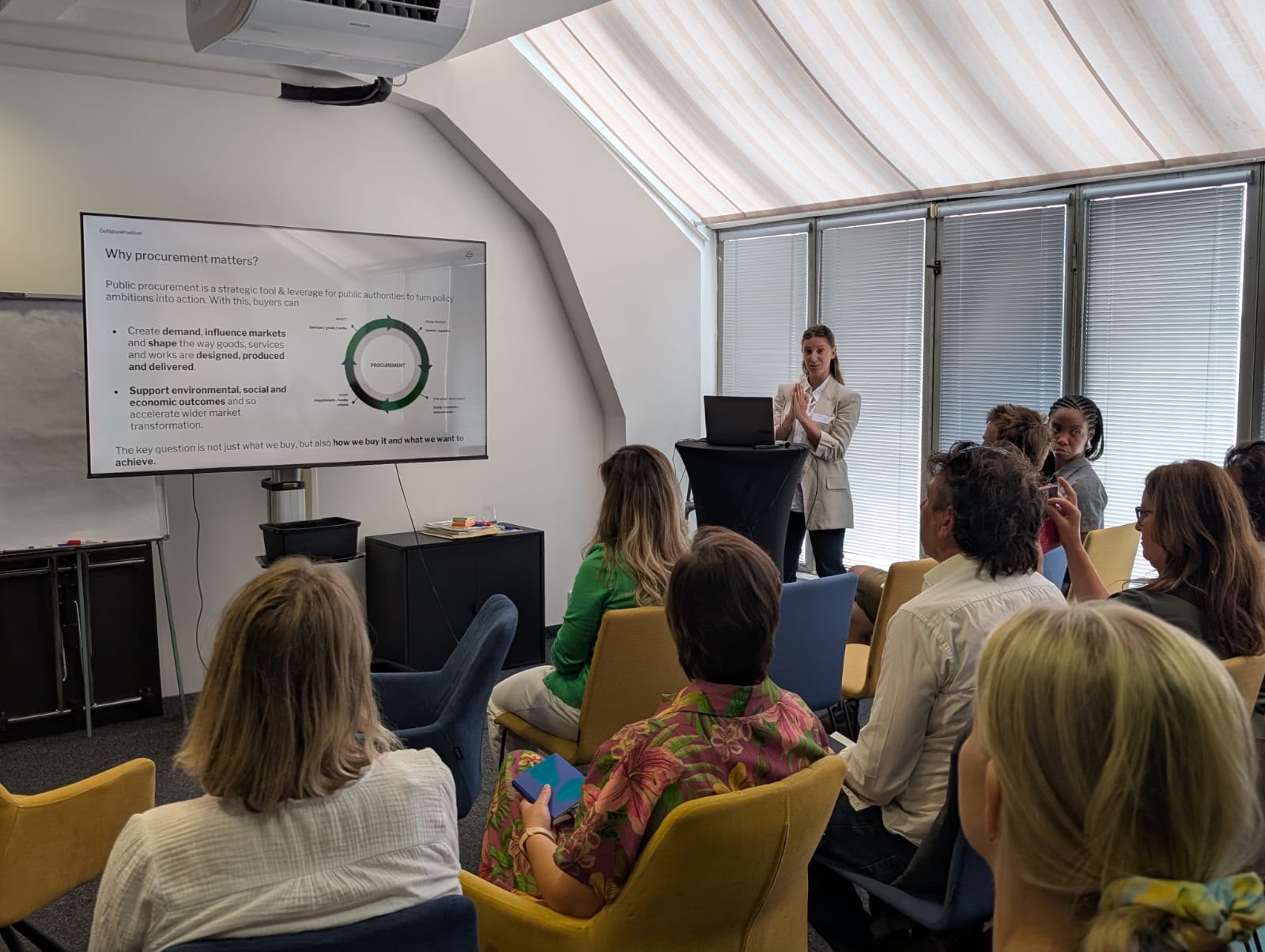
One of the key themes explored during the exchange was public procurement.
Cities and regions purchase a significant range of goods, services and works. These purchasing decisions can influence supply chains, resource use and market demand, making procurement an important practical lever through which public authorities can support more nature-positive practices.
During the Procurement Lab, public authorities and nature-based enterprises (NbEs), including representatives from GoNaturePositive! pilot sectors such as agri-food, green buildings and the blue economy, were brought together to explore how nature-positive ambitions can be translated into public procurement practice. Participants explored three questions: what makes procurement nature-positive, what barriers prevent its implementation, and where the first practical opportunities for action lie.
Across the discussions, a recurring issue was the difficulty of defining and measuring nature-related benefits. These benefits are not always immediately visible or easily comparable across contracts, and the appropriate objectives and indicators will depend on what is being procured.
Participants also highlighted limited information on additional costs, long-term benefits and the cost of inaction, as well as the importance of considering implementation, maintenance and lifecycle costs from the outset. Strong environmental requirements in a tender may still fail to deliver the intended outcomes if these aspects are not adequately addressed during contract implementation.
The exchange also highlighted that nature-positive procurement cannot be approached simply by adding more criteria to a tender. Requirements need to be clear, measurable and proportionate, while taking account of what the market can realistically deliver and the applicable public procurement framework. In some markets, only a limited number of suppliers may currently be able or willing to meet more ambitious nature-related requirements, making early market engagement particularly important.
Participants discussed the potential role of outcome-based specifications, minimum requirements and award criteria, as well as certification schemes, environmental management systems and science-based approaches as possible tools to support verification, while recognising that these should not substitute for evidence of actual performance.
More broadly, procurement was seen as a means of creating demand for nature-positive products and services and supporting dialogue and market development. Through early engagement, smaller pilot procurements and clearer long-term signals, public authorities can better understand market capacity, communicate their objectives and support businesses in progressively developing the solutions needed.
Practical case studies, clearer guidance and stronger evidence of the financial and wider public value of nature-positive approaches were therefore identified as important next steps.
The discussion also highlighted that nature-positive procurement cannot be considered in isolation. Turning ambition into practice depends on factors such as institutional responsibilities, knowledge and capacity, political and administrative support, available resources and the ability to work across departments.
Reflecting on readiness for a Nature-Positive Economy
Turning nature-positive ambitions into practice also depends on institutional responsibilities, knowledge and capacity, political and administrative support, available resources and the ability to work across departments.
These wider institutional questions were explored through the GoNaturePositive! City Self-Assessment Tool (City SAT).
Participants were introduced to the tool and invited to reflect on where their city or region currently stands in relation to the transition towards an NPE.
The City SAT looks beyond individual environmental actions and considers some of the broader conditions needed to enable change. These include nature literacy, assessment, governance and leadership, and transformation**, including** changes in resource use, activities, products, services and innovation.
The session also provided an important opportunity to hear directly from the participating cities and regions about the tool itself. Their feedback and experiences will help further develop the City SAT so that it responds to the realities and needs of local and regional government practitioners.
Learning from each other
A central purpose of the programme is to create a community in which cities and regions can learn not only from the GoNaturePositive! project, but also from each other. The Prague exchange brought together places operating at different scales and in very different contexts. This diversity provided an opportunity to compare approaches, identify common challenges and exchange ideas on how nature-positive thinking can be embedded into local and regional decision-making.
The discussions highlighted that there is no single pathway towards an NPE. Cities and regions will need approaches that reflect their different starting points, governance systems, environmental challenges, resources and priorities.
From Prague to the next steps
Prague was an important milestone for the GoNaturePositive! Cities and Regions Programme, but the exchange is only one step in a longer learning process.
Over the coming months, the Spotlight cities and regions will continue working together through peer-to-peer exchanges, webinars and other opportunities for collaboration and knowledge sharing. The programme will provide a space to test ideas, exchange experiences and identify what kinds of knowledge, tools and support can help local and regional governments advance the NPE in practice.
The experiences and lessons emerging from the Spotlight Cohort will also contribute to the wider work of GoNaturePositive!, helping to develop knowledge and resources that can support other cities and regions beyond the programme.
The Prague exchange highlighted that advancing an NPE requires both practical changes, such as integrating nature into procurement, and the institutional capacity to sustain them. The programme will build on these discussions to help cities and regions move from shared ambition towards meaningful action on the ground