Apiculture

The Pollinator Economy: Bees, Biodiversity, and the Future of Food
THE CHALLENGE

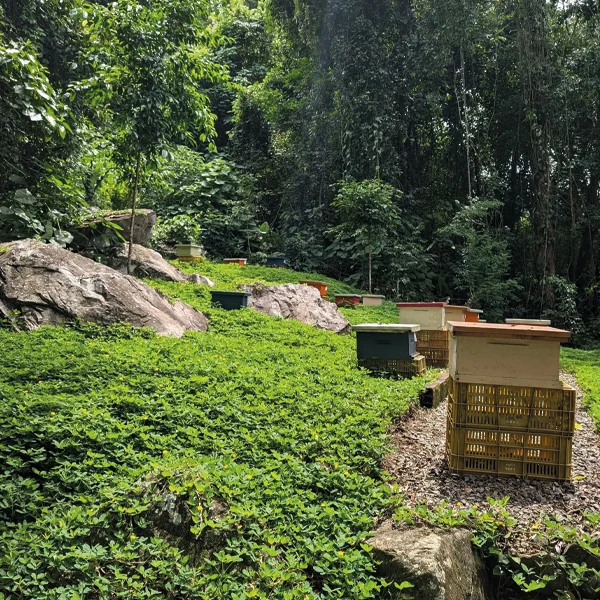
The global food system is the single largest driver of biodiversity loss. A third of the world’s food production depends on bees, and populations have been declining for decades — driven by habitat loss, intensive farming, and excessive agrochemical use. In Colombia, the Aburrá Valley is taking direct action: a regional system of pollinator protection centred on beekeepers building sustainable livelihoods while actively restoring the conditions pollinators need to thrive.

$20B market cap of honey bees as the most economically significant pollinator

WHO IS LEADING THIS WORK?
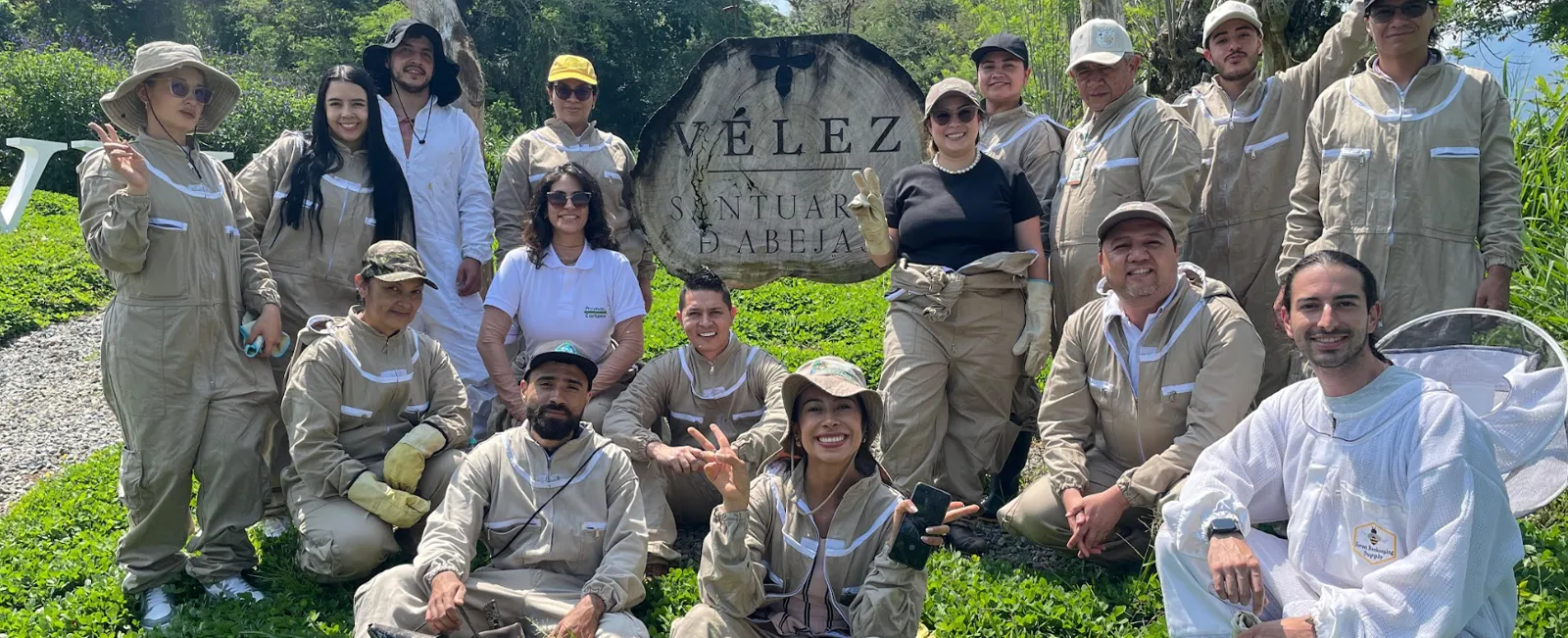
The pilot is led by partners within the Pollinator Network in Colombia, a multi-stakeholder initiative that brings together public institutions, private sector actors, universities, and civil society organisations around the shared goal of pollinator conservation and nature-positive economic transition.

The Network’s approach is rooted in creating spaces for collaboration, knowledge exchange, and capacity building, recognising that the conditions pollinators need to survive are the same conditions that support healthy, resilient food systems and rural livelihoods.

WHAT IS HAPPENING IN THE GROUND?

Market study:
Examining opportunities and barriers for nature-based enterprises in the apiculture sector.

Vision-building & governance:
Workshops to co-create a shared sector roadmap, plus governance structures for sustained, coordinated action.

Technical training:
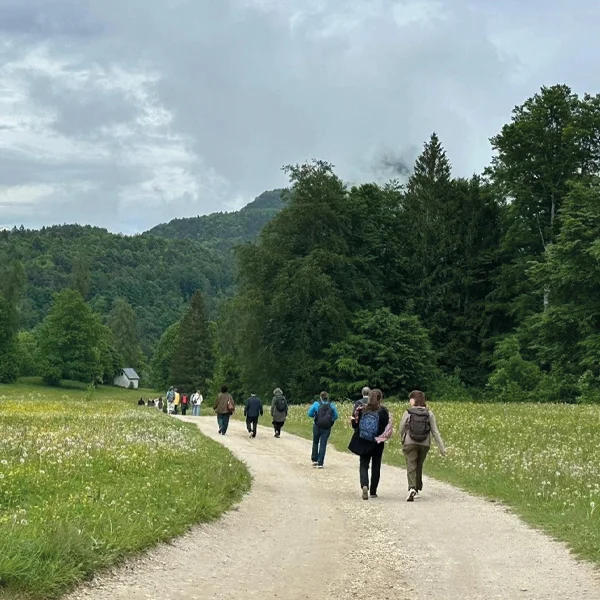
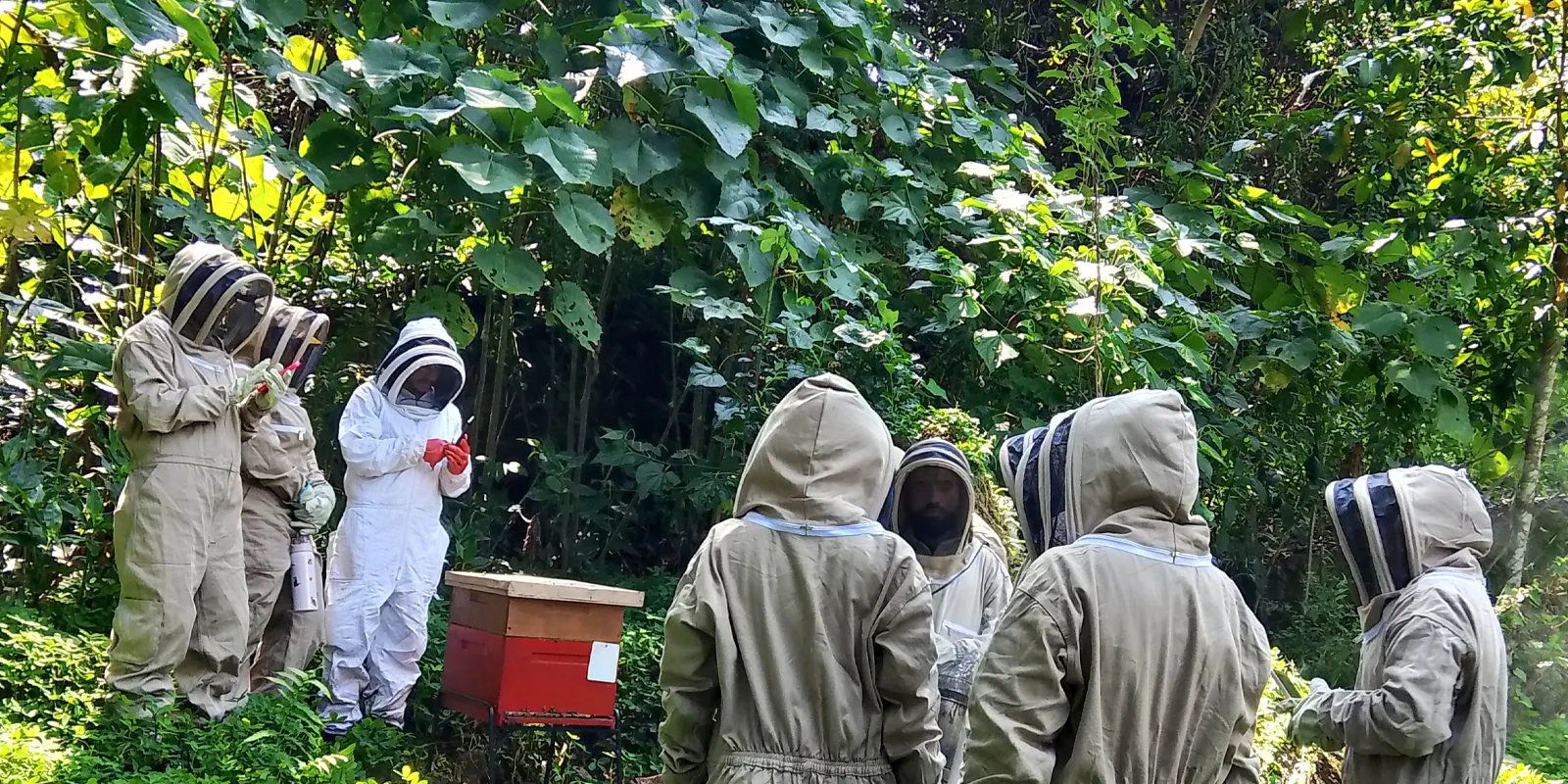
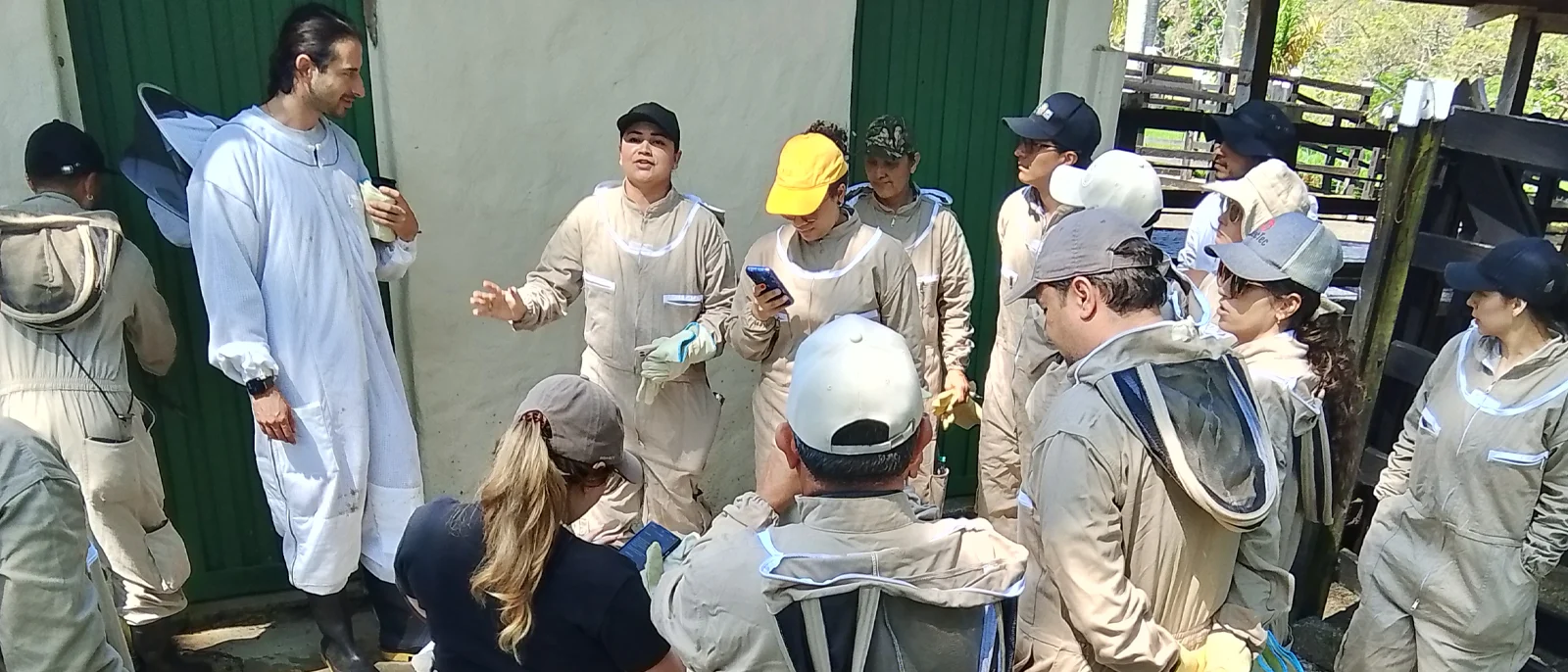
Field visits, peer exchange, and technical support to improve capacity and production sustainably.

WHAT IS ALREADY CHANGING?

The pilot is still in its early stages, but the foundations are being laid:

  • Awareness of pollinators and their ecological and economic significance is growing among businesses, institutions, and communities in the region
  • Inter-institutional collaboration has strengthened, with a functional multi-stakeholder network now actively engaging in nature-positive discussions
  • Initial market research is beginning to surface the opportunities and barriers facing apiculture enterprises in the transition to more nature-positive practices
  • Beekeepers-as-relocators are gaining skills and improving production, contributing to both their own economic resilience and broader ecosystem restoration

“Building a multi-stakeholder network takes time but is essential for impact.”

WHAT NEEDS TO CHANGE FOR THIS TO SCALE?

Finance sector engagement

Investors and financial institutions remain largely absent. Bringing capital into alignment with pollinator-positive enterprises is essential for long-term viability.

Clearer frameworks

Businesses need more specific and accessible tools and methodologies to translate nature-positive principles into day-to-day practice.

Sustained funding

The programme’s reach is currently constrained by limited financial resources — scaling impact requires diversified funding streams.

Measuring engagement

Tracking participation and impact through tools like anonymous surveys presents real limitations. Better monitoring is needed.
KEY LESSONS

  • Experiential learning creates lasting engagement. Field visits to working nature-based enterprises generate the kind of direct, embodied understanding that presentations and reports cannot replicate.
  • Governance matters from the outset. Clear structures for coordination and decision-making enable aligned, sustained action and help prevent the energy of early enthusiasm from dissipating.
  • Early business involvement is critical. Engaging the private sector from the start, rather than as an afterthought, is essential for building the business case and securing the market conditions that make transition viable.
  • Awareness and implementation must go hand in hand. Communication campaigns open doors; practical tools and frameworks are what enable people to walk through them.

EXPECTED OUTCOMES

01

Outscaling of the Aburrá Valley Apiculture programme across Colombia and South America.

02

Increased awareness of nature-positive concepts and indicators within agri-food chains, including bespoke NP metrics for apiculture.

03

Improvement of agricultural practices that mainstream biodiversity and ecosystem services.

04

Improved incomes for local communities through sustainable production in harmony with nature.
Standard Bodies

Your work helps ensure transparent and reliable practices across industries. Partner with us to create and promote standards for a nature-positive future.

Who are you

You could be working with industry-specific standard-setting bodies or certification schemes. You might be involved in developing, implementing, or auditing environmental and sustainability standards.

Why you're crucial

Your role in developing standards is key to avoiding greenwashing and supporting transparency and accountability across the NPE.

Researches & Academics

We’re gathering experts to understand and measure the Nature-Positive Economy. Be part of our effort to break down silos and advance global research on this crucial topic.

Who are you

You might be a professor, scientist, PhD student, or researcher in fields related to environmental science, economics, or business sustainability, or any discipline contributing to the Nature-Positive Economy.

Why you're crucial

Your research and academic insights are fundamental to developing a clear definition and conceptual framework for NPE.

Citizens & Communities

Your daily choices and community actions are the foundation of a Nature-Positive world. Join us in building communities that prioritise both people and nature. 

Who are you

You are individuals, community leaders, local activists, or members of grassroots organisations who care about nature and want to make a difference locally.

Why you're crucial

Your deep understanding of unique environmental challenges is key to shaping an effective and inclusive Nature-Positive Economy.

Environmental Bodies & NGOs

Your experience and knowledge are invaluable in shaping what a Nature-Positive Economy means for people and the environment.

Who are you

You could be working for or leading environmental organisations, conservation groups, sustainability-focused NGOs, or any non-profit entity dedicated to protecting and restoring nature at local, national or international level.

Why you're crucial

Your deep understanding of unique environmental challenges is key to shaping an effective and inclusive Nature-Positive Economy.

Finance & Investors

You are already showing how to work with nature, your experience can help others do the same. Partner with us to co-create a future for the Nature-Positive Economy.


Who are you

You might be an investment banker, venture capitalist, public funder, angel investor, insurance company representative, or anyone involved in financial decision-making who could support nature-positive initiatives across different sectors.


Why you're crucial

Your role in creating conditions and incentives for NPE investment is fundamental to its long-term success.

Nature-based Enterprises

You are already showing how to work with nature, your experience can help others do the same. Partner with us to co-create a future for the Nature-Positive Economy.


Who are you

You could be running or working in businesses that directly work with and for nature as a core element of a product or service, such as agriculture, forestry, fisheries or tourism. 


Why you're crucial

Your expertise in working with and for nature is essential for developing and implementing the NPE framework, and for inspiring others to follow your lead. 

Business

Your success is vital for demonstrating that prosperity, competitiveness and sustainability can go hand-in-hand. We’re here to support you in generating value through nature-positive practices.

Who are you

You might be a CEO, sustainability officer, business owner, or manager in any sector looking to integrate nature-positive practices into your operations. This includes both large corporations and SMEs.

Why you're crucial

Your understanding of nature’s impact and dependencies on business is key to aligning with the NPE concept.

Policymakers

Your success is vital for demonstrating that prosperity, competitiveness and sustainability can go hand-in-hand. We’re here to support you in generating value through nature-positive practices.

Who are you

You could be a local government employee, a member of the EU Commission, a national policy advisor, or anyone involved in creating and implementing environmental, economic and social policies at any level.

Why you're crucial

Your role in adapting policies, regulations, and guidance is essential for aligning with systemic change towards a Nature-Positive Economy.

Shape Europe's Nature-Positive Future

Join 500+ businesses in our 15-minute survey shaping EU policy, sector roadmaps, and support programmes.

✓ Early access to findings 

✓ Influence on standards & training