Forestry
From Timber to Ecosystem: Reimagining What Forests Can Deliver

THE CHALLENGE
25% of global greenhouse gas emissions come from forestry and land use combined.
WHO IS LEADING THIS WORK?
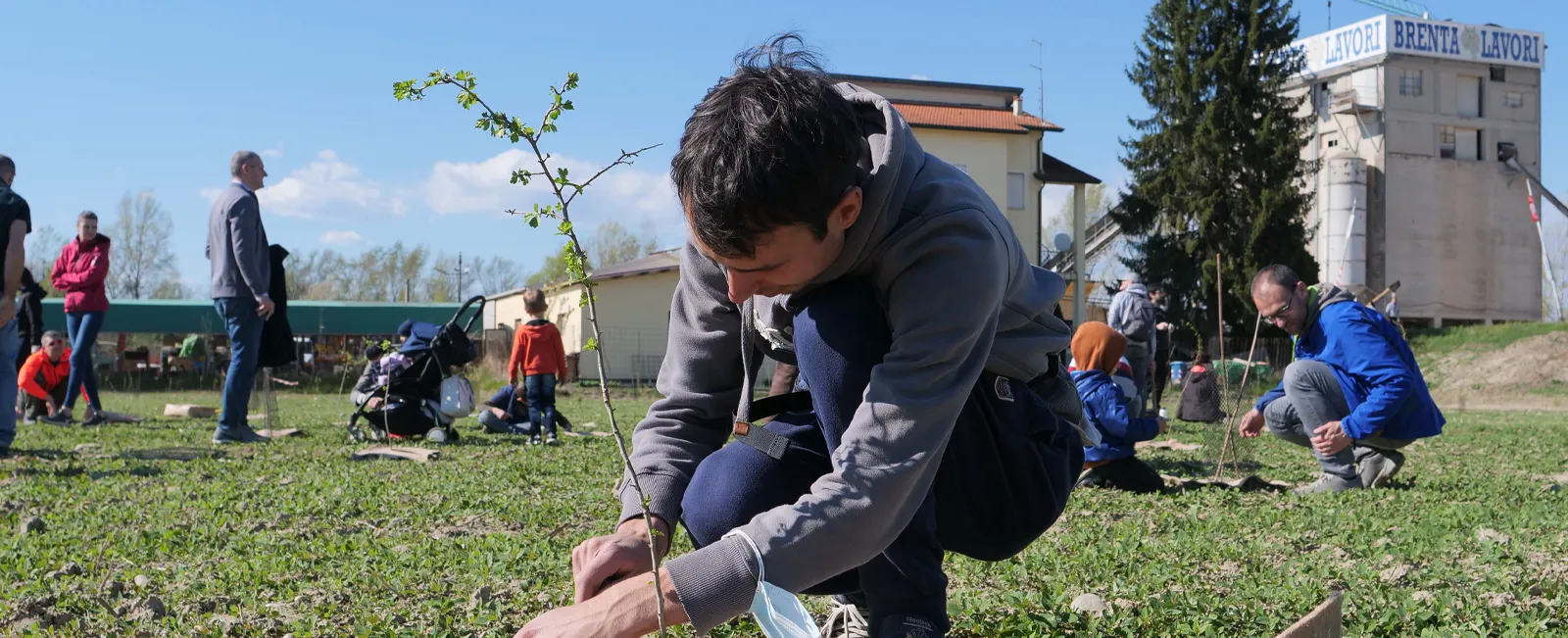
The pilot is led by Etifor | Valuing Nature, a certified B Corp and university spin-off of the University of Padova. Working at the intersection of science and practice, Etifor supports companies, organisations, and public administrations in assessing nature-related risks, quantifying their impacts and dependencies on nature, and committing to measurable targets aligned with the mitigation hierarchy: avoid, minimise, restore, and compensate.
The Network’s approach is rooted in creating spaces for collaboration, knowledge exchange, and capacity building, recognising that the conditions pollinators need to survive are the same conditions that support healthy, resilient food systems and rural livelihoods.
WHAT IS HAPPENING IN THE GROUND?

Certification & FSC:
Guiding companies through PEFC and FSC certification for sustainable forest management and chain of custody.

Training next-gen professionals:
Launching a “Geo-Forestry Technician” training programme in Tréveiso to build the next generation of forestry professionals.

Public outreach:
Running programmes including Foresta in Città (Forest in the City) and National Tree Day to connect urban populations with the value of forests.
WHAT IS ALREADY CHANGING?
Friuli-Venezia Giulia is already among Italy’s top three regions for certified sustainable forest area. Progress in the pilot is beginning to build on that foundation:
- The region is actively expanding the hectares certified under PEFC and FSC, with growing investment in the verification of ecosystem services within those same standards
- Spruce monocultures, made devastatingly fragile by the 2018 Vaia Storm and subsequent bark beetle outbreak, are gradually giving way to mixed-species forests, increasing both ecological resilience and long-term productivity
- Cascade use of wood and residues is growing, supporting a more circular approach to forest resources
- New forms of nature-based tourism, including forest therapies and forest bathing, are beginning to create economic value from ecosystem services without resource extraction
WHAT NEEDS TO CHANGE FOR THIS TO SCALE?
Climate vulnerability
Land fragmentation
Rural depopulation
As people leave mountain communities, they take with them the skills, knowledge, and workforce that sustainable forest management depends on.
The valuation gap
Timber is easier to sell than ecosystem services. Without stronger payment mechanisms and recognition for the full value of forests, it remains difficult to mainstream multifunctional, nature-positive management.
“To move the market, you need a strong business case. Nature-positive should become an opportunity and an economic advantage, not an unnecessary burden.”
KEY LESSONS
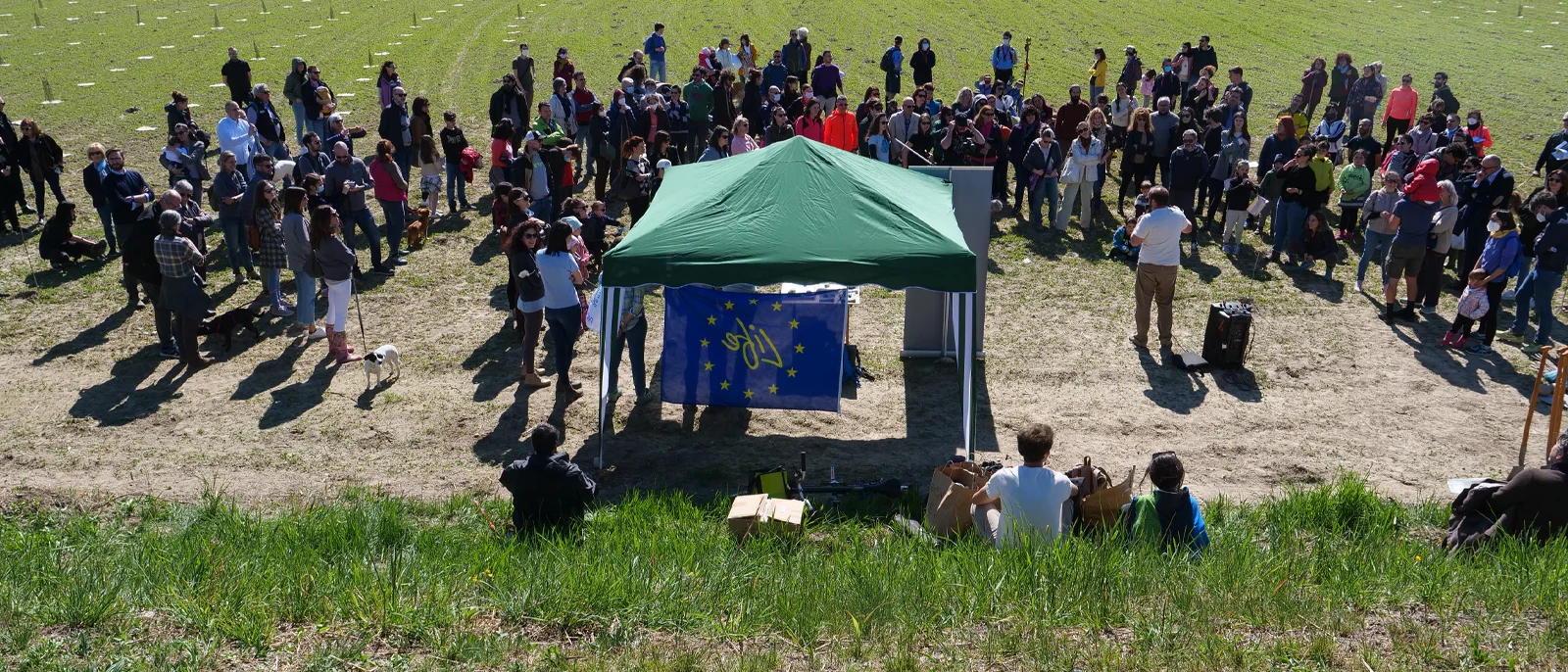
- Participatory processes matter. Engaging all actors, from forest owners to policymakers, builds the broad acceptance and ownership that top-down mandates cannot achieve.
- Economic diversification is essential. High-value certified timber, payments for ecosystem services, social enterprise models, and nature-based tourism together create resilience that no single revenue stream can.
- Digitalization is a critical enabler. From traceability to monitoring, digital tools are transforming what is possible in forest management.
- Forests are infrastructure. They are not simply raw material sources. They are essential systems that support human health, water security, climate resilience, and community wellbeing.
EXPECTED OUTCOMES
01
02
03
04