Green buildings
Cities as Living Ecosystems: Building Nature Back Into the Urban Environment
THE CHALLENGE
Buildings are responsible for approximately 38% of global greenhouse gas emissions. They are also major drivers of urban biodiversity loss, replacing green space with impermeable surfaces and cutting urban populations off from the natural world.
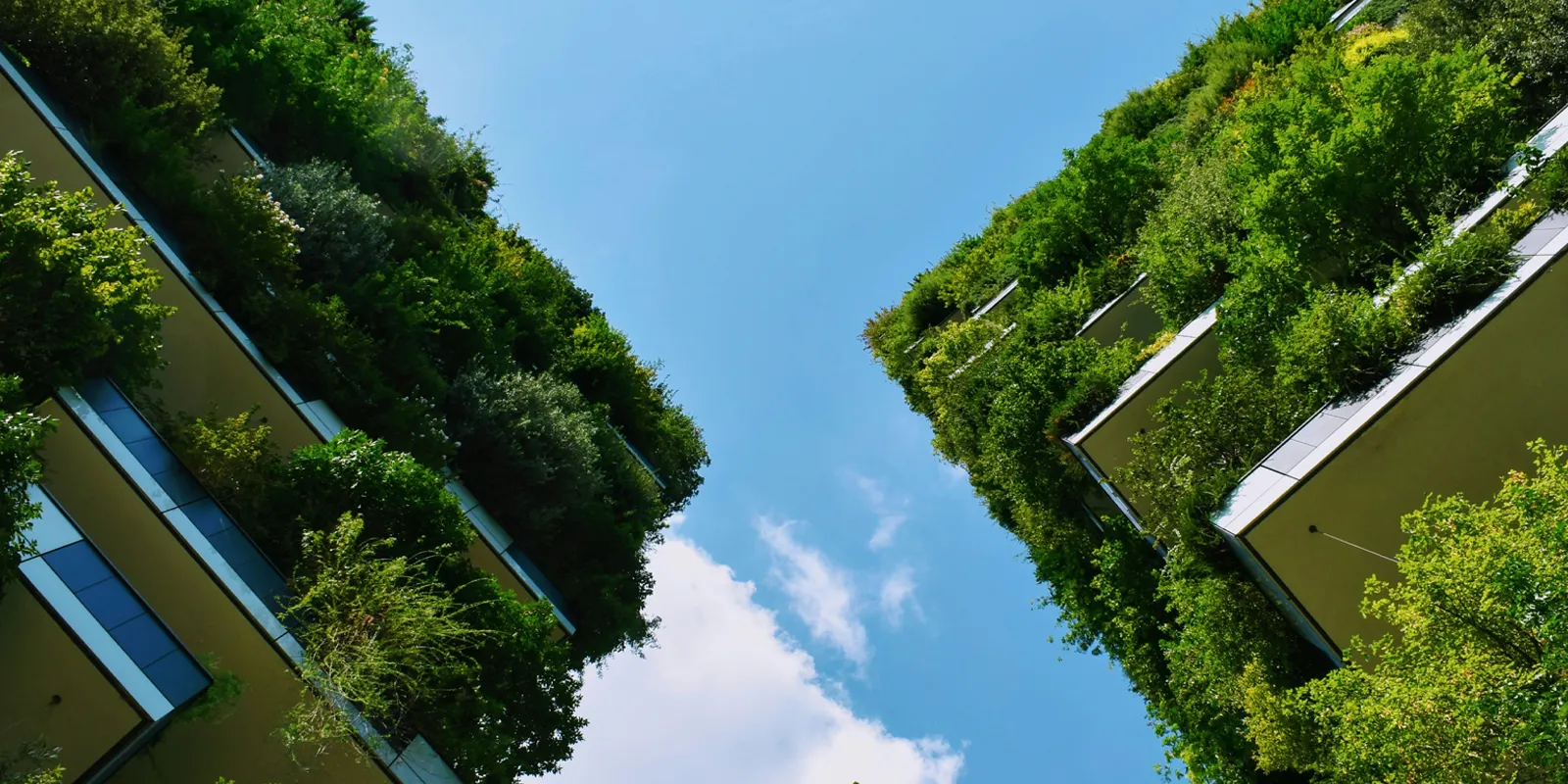
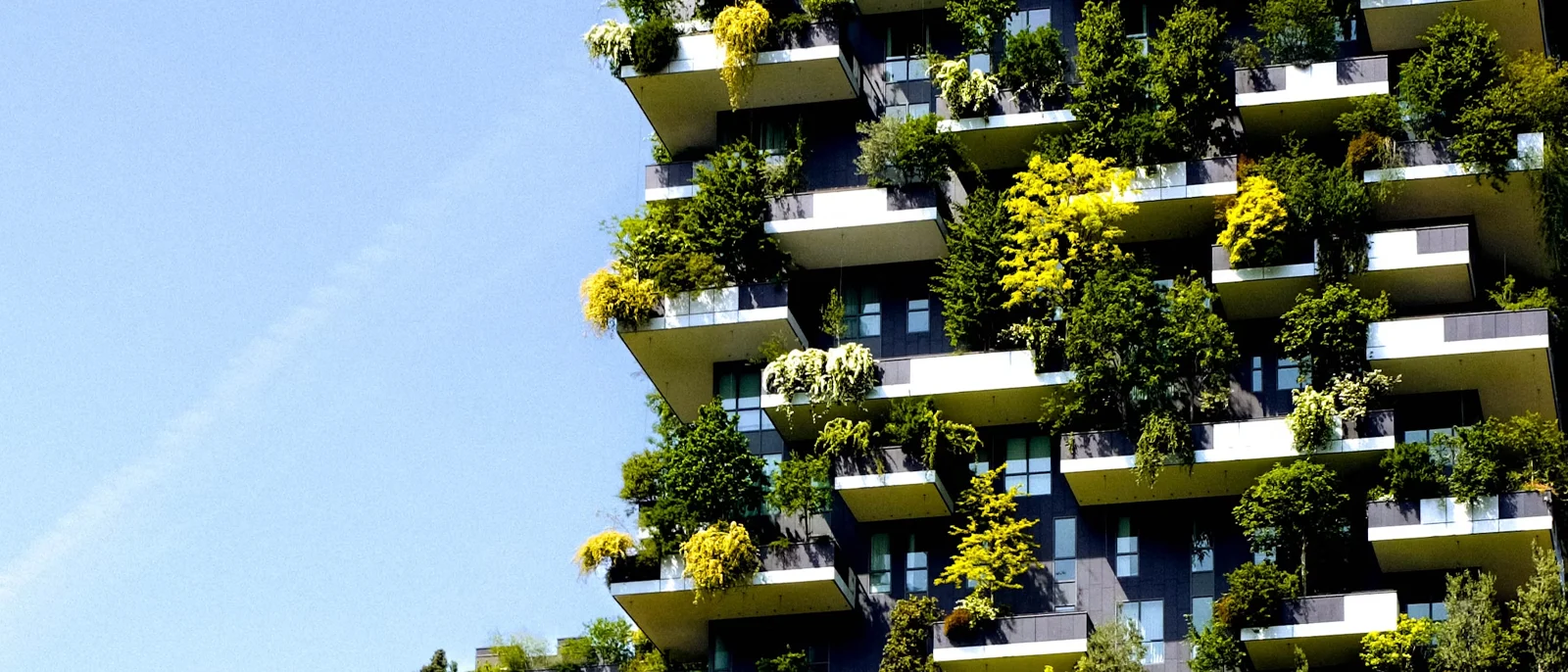
Yet buildings also represent one of Europe’s greatest untapped opportunities for nature-positive transformation. Green roofs, living walls, and biobased building envelopes can restore ecological function in cities, improve urban health and thermal comfort, support pollinators, and store carbon — while contributing to more liveable, sustainable cities.
The challenge is that scaling these solutions requires coordinated action across fragmented national markets, inconsistent policy frameworks, and an evidence base that has, until recently, been insufficient to drive mainstream investment.
38% of global greenhouse gas emissions come from buildings, one of the largest single sources.
WHO IS LEADING THIS WORK?
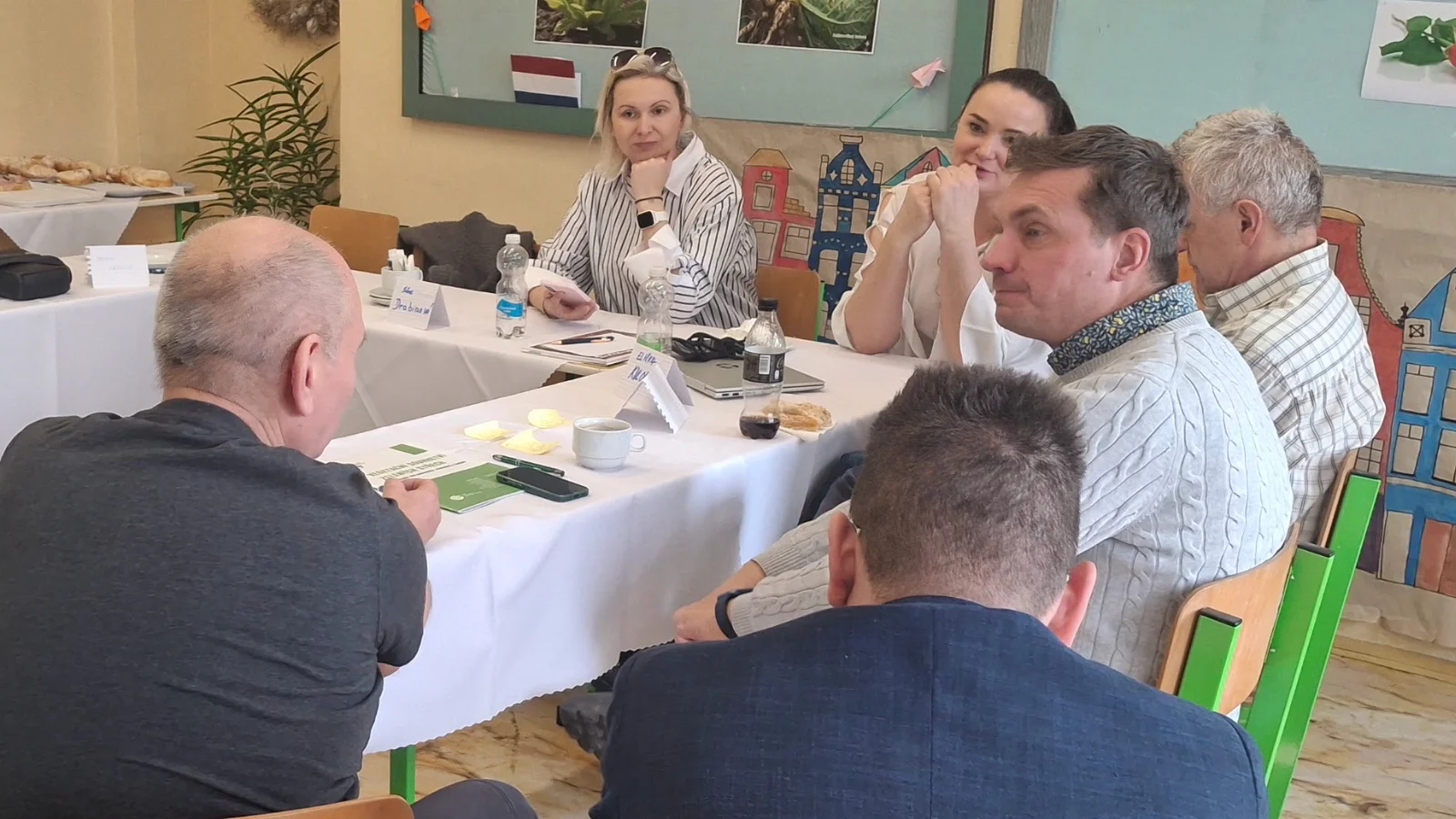
The pilot is led by the European Federation of Green Roof and Living Wall Associations (EFB), the European umbrella body representing 17 national associations across 20 countries, connecting around 1,600 SMEs alongside universities, public authorities, planners, and research institutions. Founded in 1997, EFB has spent nearly three decades advancing building-integrated nature-based solutions as essential components of resilient urban infrastructure.
EFB leads the Green Buildings Pilot in partnership with its Portuguese member association ANCV GREENROOFS® and its Czech member association AZSF.
WHAT IS HAPPENING IN THE GROUND?

European Roadmap:
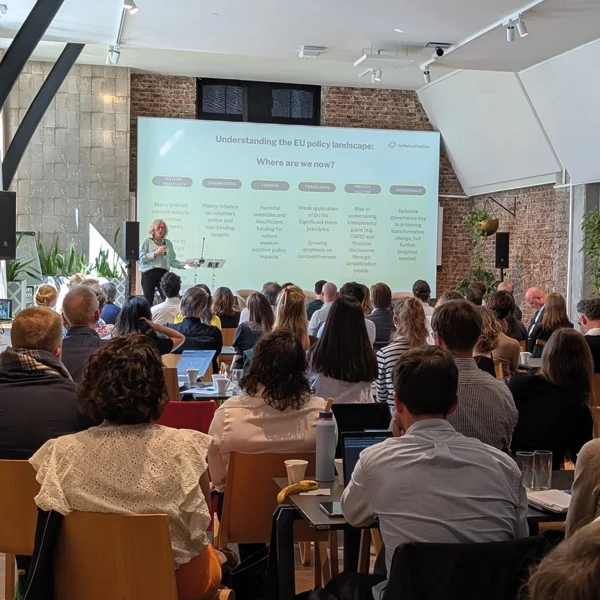
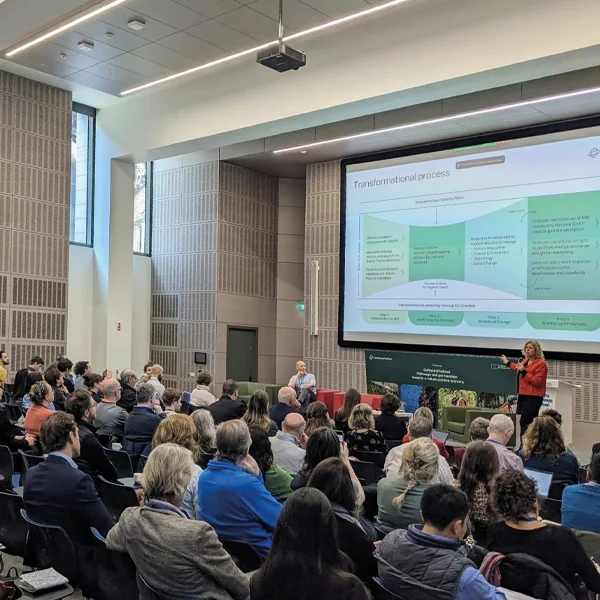
Co-creating the European Green Buildings Roadmap with 50+ stakeholders spanning 8 groups: policymakers, businesses, NBEs, finance, environmental bodies, citizens, research and standards.

Evidence & publications:
Gathering and publishing rigorous evidence on ecological, social, and economic value of green roofs and living walls, including a Solar Green Roofs Resource Guide and policy guidance.

Policy engagement:
Engaging policymakers on standards reform and regulatory enablers at European and national levels, supporting knowledge exchange across the EFB member network.
WHAT IS ALREADY CHANGING?
The co-creation of the Pan-European Green Buildings Roadmap, bringing together over 50 stakeholders across eight target groups, is itself a significant achievement, demonstrating that cross-sector alignment around a shared transformation pathway is possible.
The pilot is also delivering tangible publications, including a comprehensive evidence compilation on the benefits of green roofs and living walls (2025), a Solar Green Roofs Resource Guide, and policy guidance for implementing European legislation in favour of urban green infrastructure.
For nature, the pilot is establishing ecological performance as a criterion that belongs in building design: not as an add-on, but as a baseline expectation. For people, it is building the evidence for how greener buildings directly improve urban health, thermal comfort, and quality of life. For the economy, it is creating the market coherence, investment rationale, and standardisation frameworks that fragmented national markets have lacked.
WHAT NEEDS TO CHANGE FOR THIS TO SCALE?
Fragmented markets & standards
Without harmonisation, fragmented national standards limit market scale, quality assurance, and cross-border uptake. Harmonised frameworks are essential.
Financing cost barriers
Public funding is insufficient and private finance lacks clear risk and return frameworks for green infrastructure investment region to region.
Data & product declarations
Non-harmonised environmental product declarations, long transport distances, and insufficient data on local materials are slowing the transition to circular design.
Skills & awareness gaps
Shortages of trained professionals and uneven training quality undermine long-term performance and erode market confidence in green building solutions.
“Nature-positive transformation requires cross-sector collaboration. No single stakeholder group can deliver it alone.”
KEY LESSONS
- Networks amplify impact. The EFB model of European coordination combined with strong national implementation capacity demonstrates what is possible when sector knowledge and political reach are combined.
- Evidence must be made investment-ready. The ecological case for building greening is compelling. Translating it into the language of risk, return, and regulation is what unlocks finance and policy change.
- Shared vision creates momentum. Co-creating a vision with 50+ stakeholders produces something more durable than any single organisation’s strategy: a collectively owned direction of travel.
EXPECTED OUTCOMES
01
A market report capturing the full socio-economic potential of the green building industry across Europe
02
Demonstration of nature-positive indicators implemented in green building industry value chains
03
Direct engagement with EU policymakers on reform of planning and policy instruments in favour of nature-positive building practices
“By 2050, cities and buildings have become living ecosystems: regenerative, circular, and inclusive, where people and nature thrive as one. The built environment restores more than it consumes, strengthening both community wellbeing and planetary health.”